
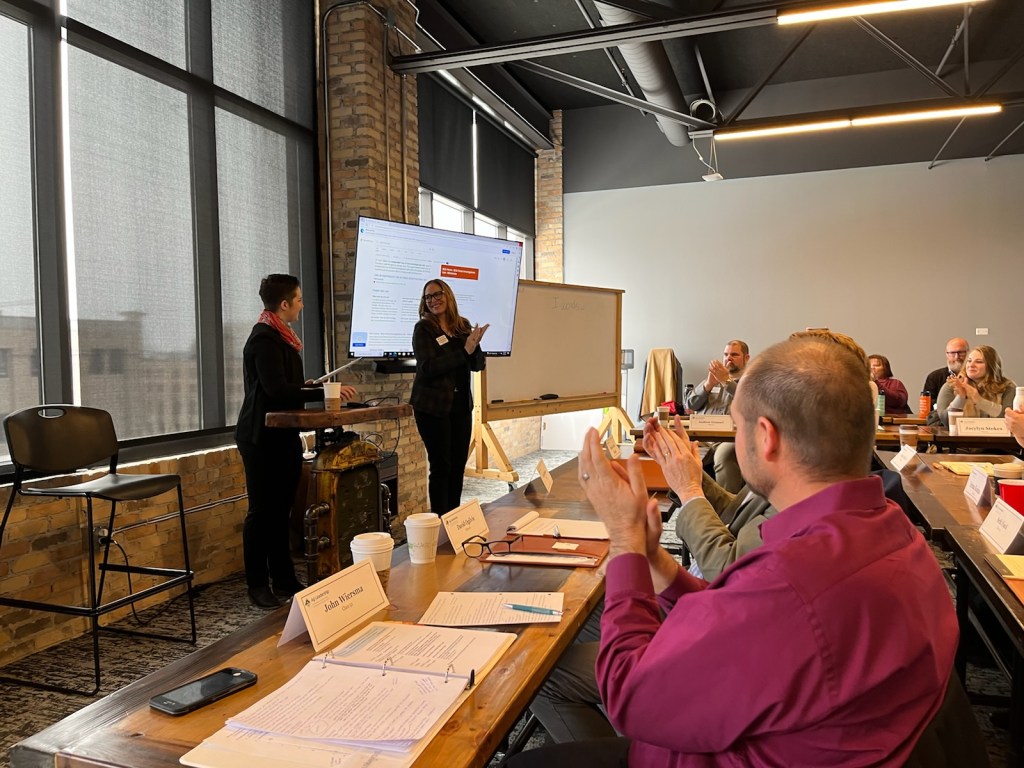
Class 52 started our morning off with an amazing discussion with a Law Enforcement Officer, Special Agent Crystal Jones from the Predatory Crimes Division of the Minnesota Bureau of Criminal Apprehension (BCA). Special Agent Crystal Jones’ focus is labor trafficking, especially in the agricultural industry in Minnesota. She emphasized how the lack of labor and other challenges put our immigrant workers at risk. Additionally, we had a black British Labrador named Sota steal the show with her talents that help her human colleagues find digital evidence which assists in the apprehension of criminals. I appreciated Special Agent Jones’ dedication to Law Enforcement especially during this difficult time for Minnesota. We obtained a greater understanding of how difficult it might be for the police force in these times, and how the George Floyd incident could cause one to want to change careers away from law enforcement. But not for Special Agent Jones, at a young age she always new she wanted to be in law enforcement, and she wears it well.
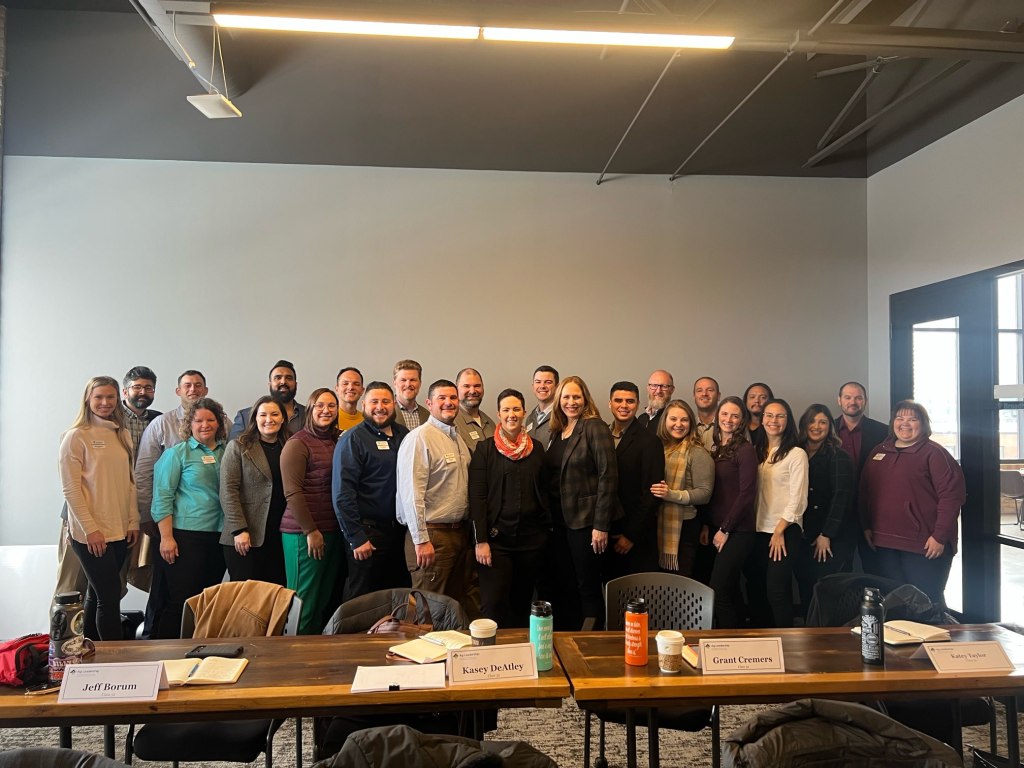

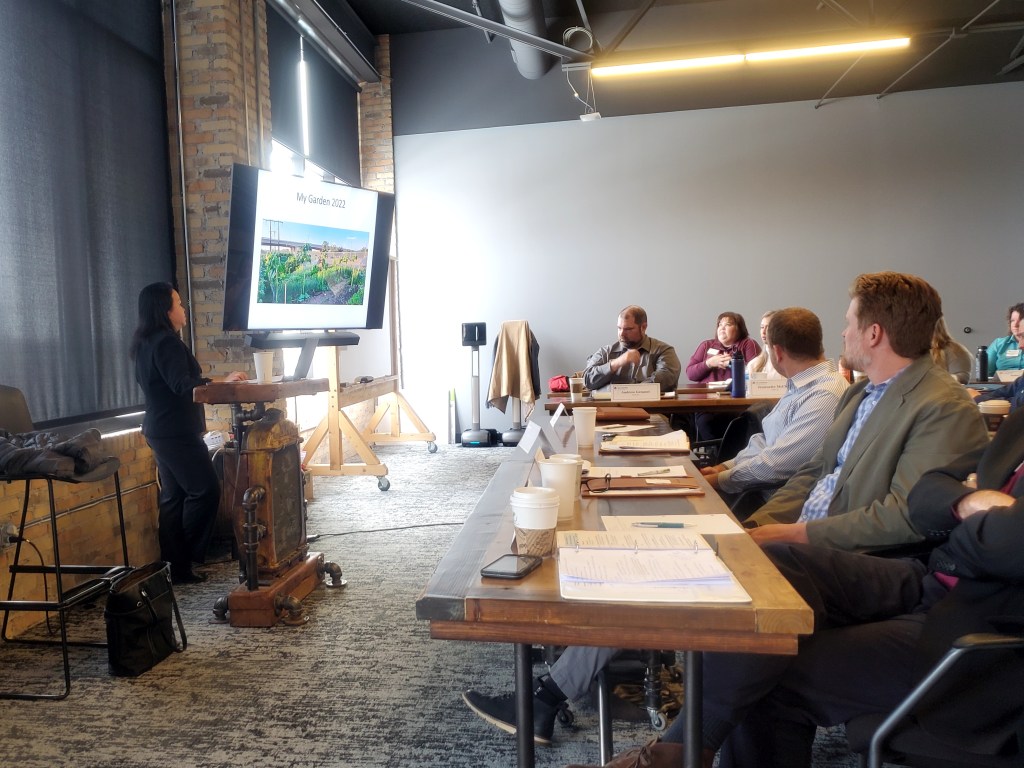
“Txhob Txho Caug Noj Mor” – Don’t eat kneeling.
This is a Hmong saying that Dr. Mai Na M. Lee opened the seminar with, in reference to the Hmong-American Experience. The agricultural past of the Hmong stemmed from not using agriculture to make a profit, but to self-sustain and provide for themselves and their families and clans. And so, this has made adapting to work in our current economic system exceedingly difficult for their community. There are 300,000 Hmong living in the U.S.A.—California has the highest population, followed by Minnesota. In addition, five of the 10 highest concentrations of Hmong folks are found in California cities. I was amazed by the resilience that Hmong population displayed, spending most of their modern history being stateless, moving from place to place.
The Hmong are an incredibly proud people that were resistant to being subordinate. Their strength lies within family. Their ties to local communities called clans, which were essentially extended family, were extremely important as clans participated in every aspect of life. Traditionally Hmong had no written language, rather they only possessed oral history. Their oral histories intertwined and became one. I felt overwhelmed with emotion upon reflecting on them being ripped away from their land and families when they were displaced from Southeast Asia after the Second Indochina War (Vietnam War). Fathers separated from children, brothers from sisters- lifetime bonds torn due to culture standing up for their beliefs, for their truth. This was Dr. Lee’s. Her story is that of growth through adversity, leaning into the uncomfortable, and raising up her community through knowledge and shared experience. I was honored to be able to listen to Dr. Lee’s story, listen to Hmong history, and bring back this lesson to our communities.
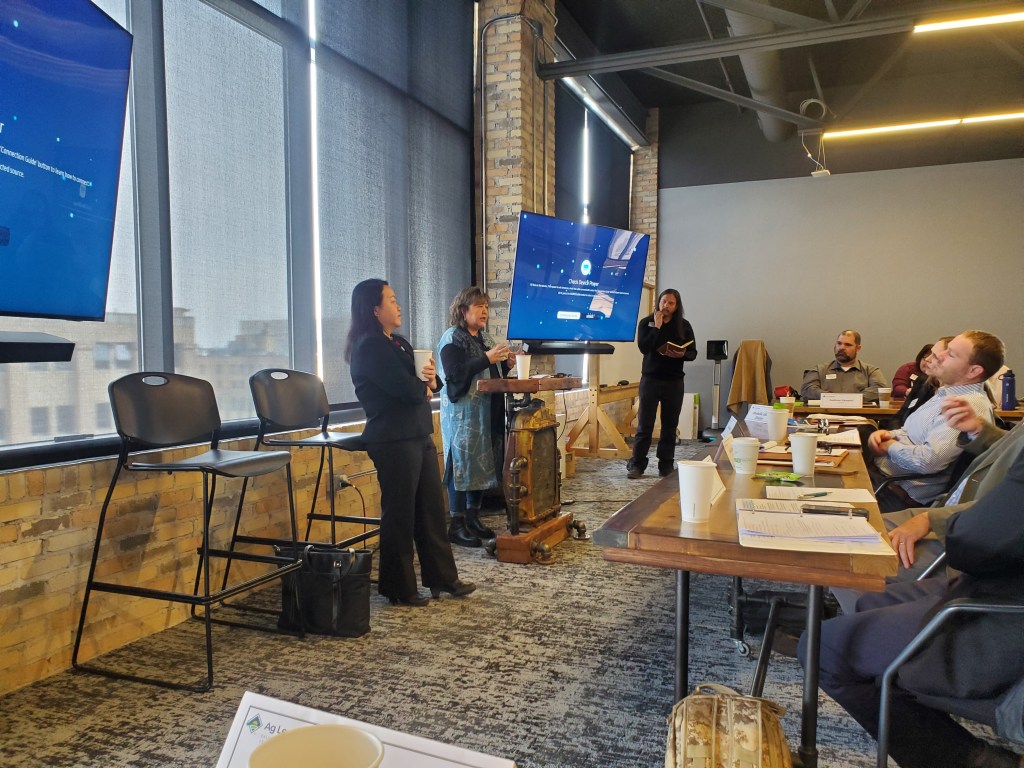
KaYing Yang, Presidential Appointee to the Advisory Commission on Asian Americans, Native Hawaiians, and Pacific Islanders, gave us a presentation that was amazing for so many reasons. KaYing showed us quite a bit of pertinent data, and then highlighted some of the needs, but more importantly highlighted the contributions of the Hmong and Southeast Asian community. She stated that although she is not a “data wonk”, she utilizes data to help advocate for the Hmong and SE Asian communities, as well as to inform policy. She taught us about the Model Minority Myth, and how the disaggregation of data is often necessary to create a clearer picture of the needs and contributions of each different culture, lest we make these communities invisible. She also attempted to instill in us that leadership is not about one person, rather it is about collaboration and representation of one’s community and organizations.
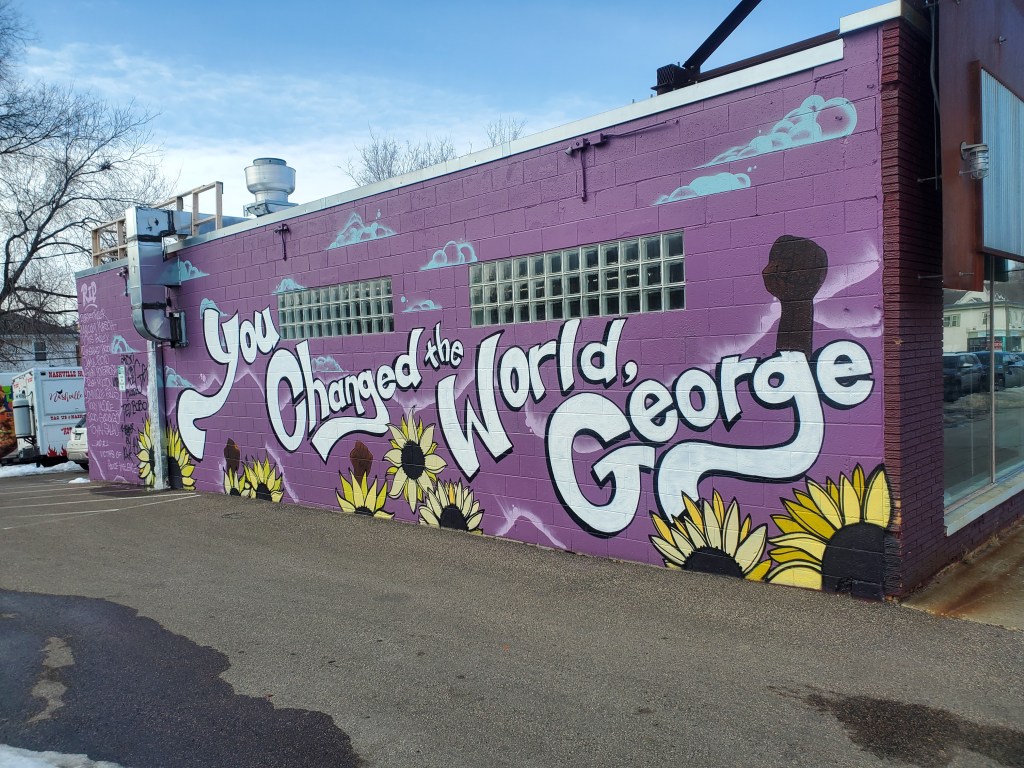
Jeanelle Austin, the lead caretaker and Executive Director of the George Floyd Global Memorial, had an excellent presentation as well. The creator of the Racial Agency Initiative, a racial justice leadership coaching company, discussed social justice movements, and getting in “good trouble”. That is, the national media displayed riots and destruction, however most of the ongoings were focused on community-building, building gardens, creating art and music, and helping to build families. In addition, they discussed redlining and how it affects all our stories. Jeanelle stressed that we should become and act like neighbors, not just tourists. One of my favorite quotes from Jeanelle is “We don’t look at it as activism, it’s just being a good neighbor.”
After Jeanelle’s presentation, we visited the site of George Floyd’s murder. Several folks from the community guided us on a pilgrimage through the George Floyd Global Memorial. Other community members greeted us and shared their stories including George Floyd’s Aunt, Angela Harrelson. We visited multiple shrines and dedications to remember and celebrate the lives of community members. We were moved by the visual, verbal, and spiritual expressions of this community’s experience. We concluded our pilgrimage at the “Say Their Names” cemetery which memorializes black lives lost to police brutality, and each class member will remember a name and share this person’s story back in our communities at home, as “We Love Black People”.
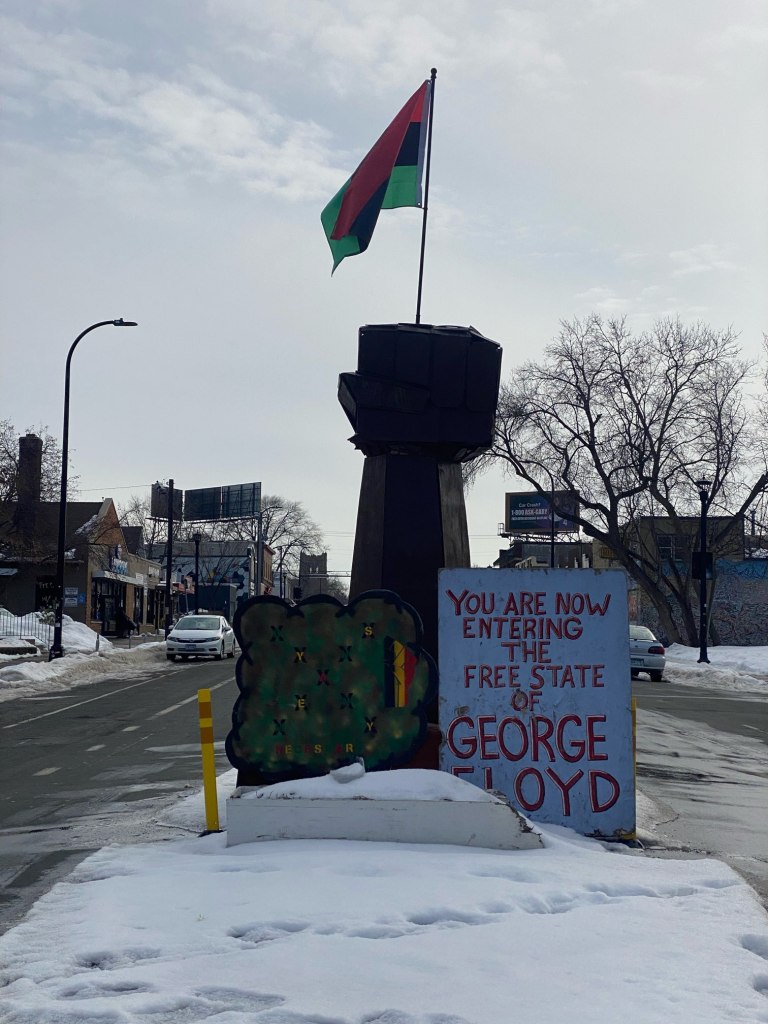
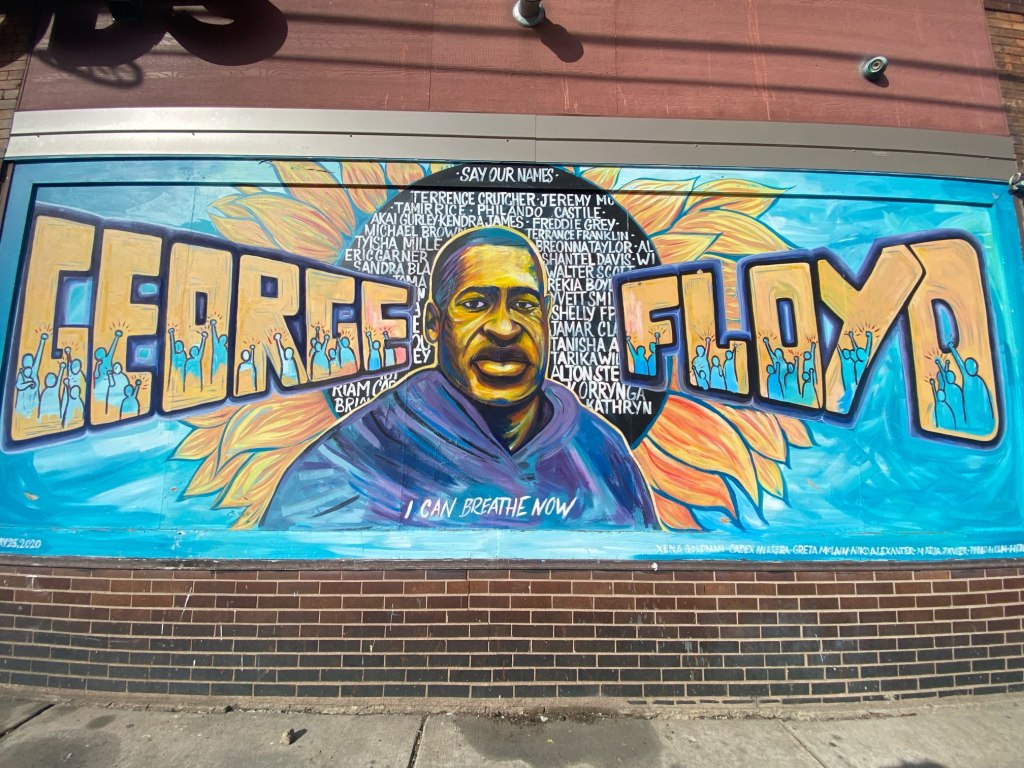
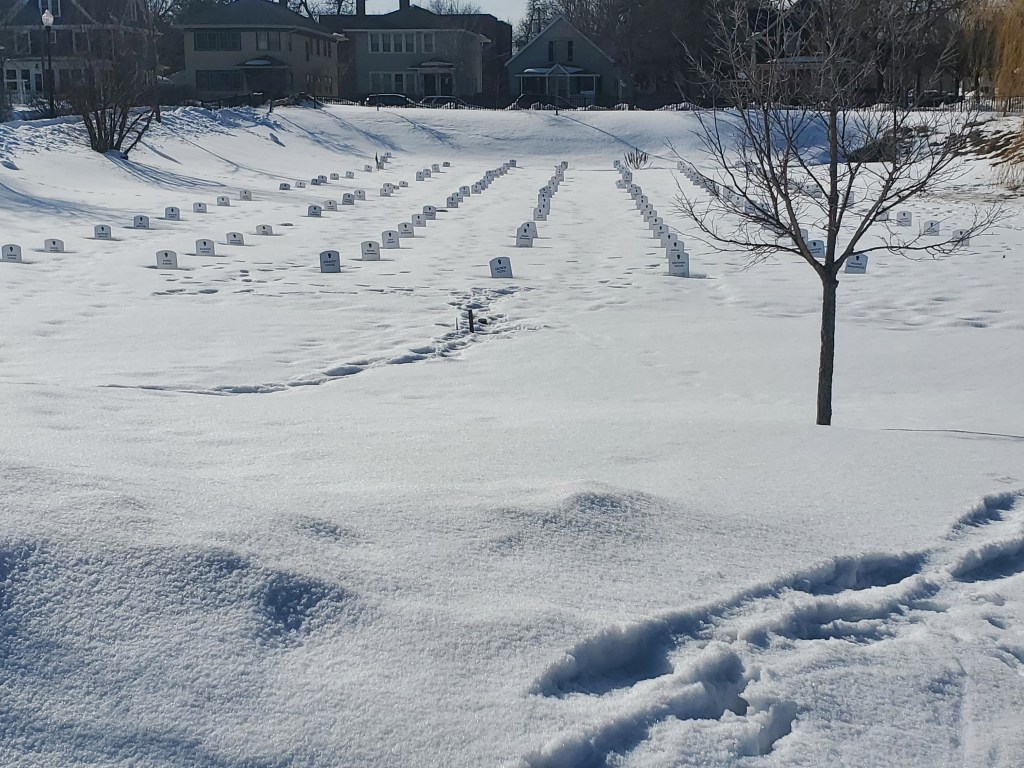
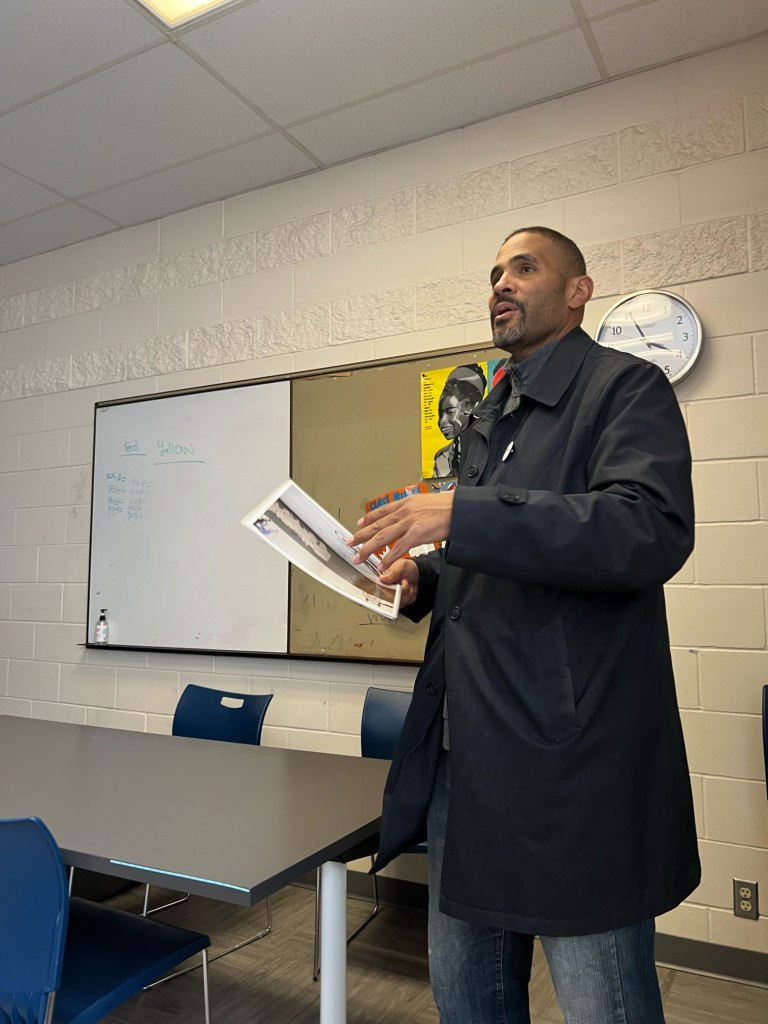
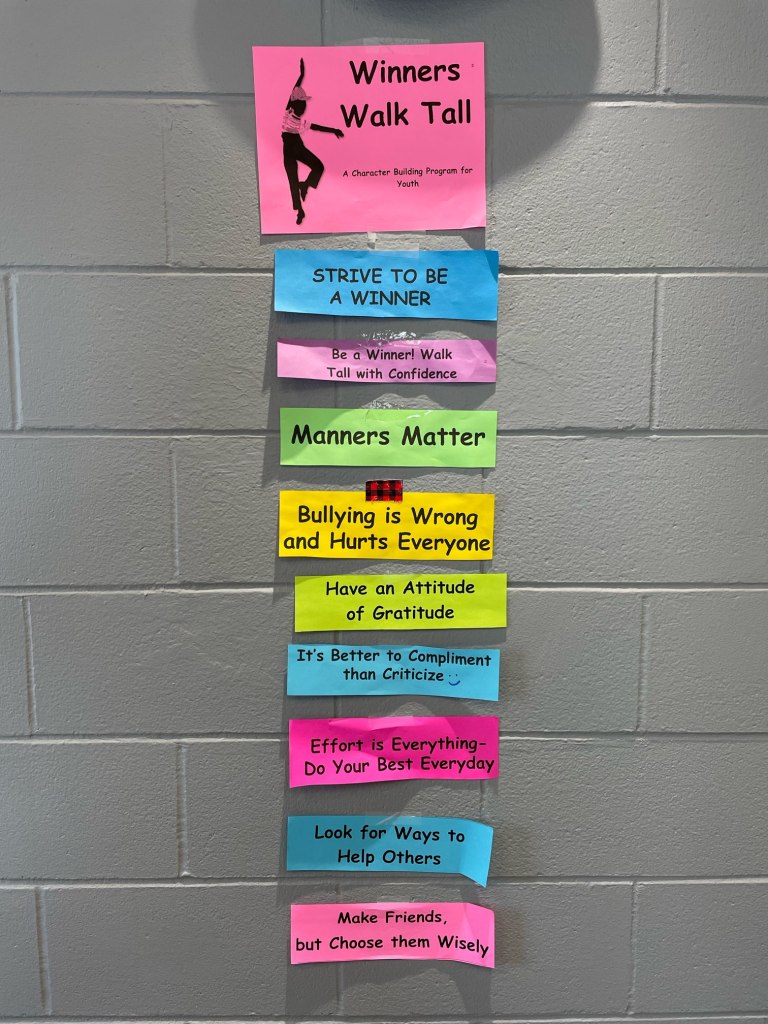
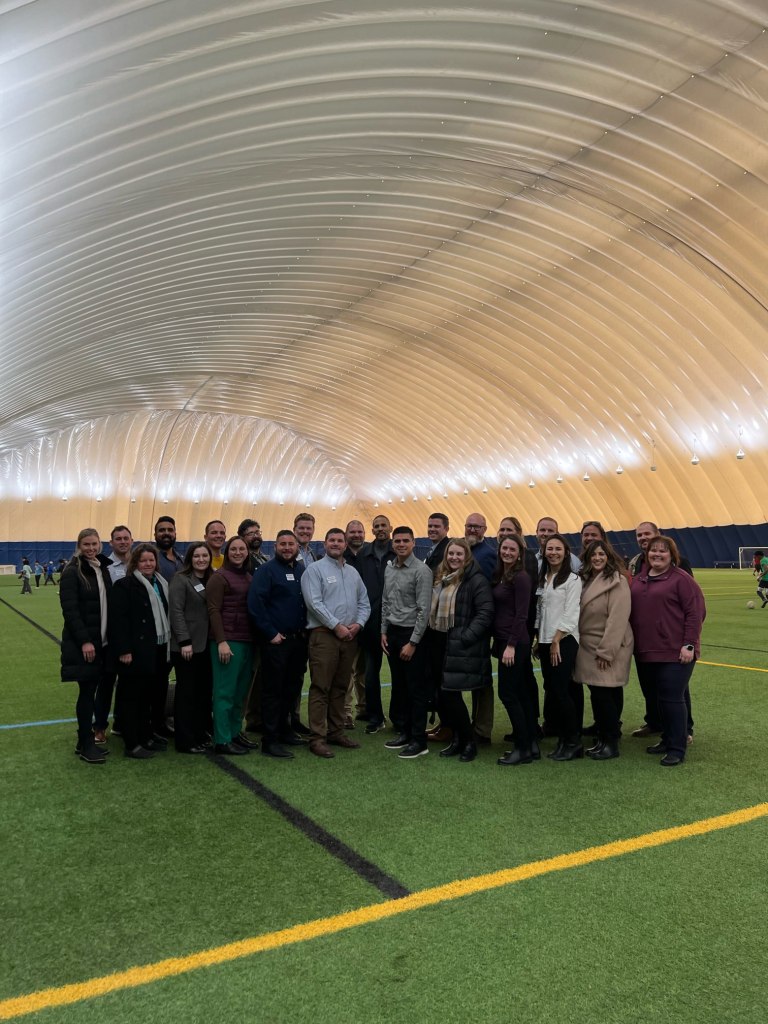
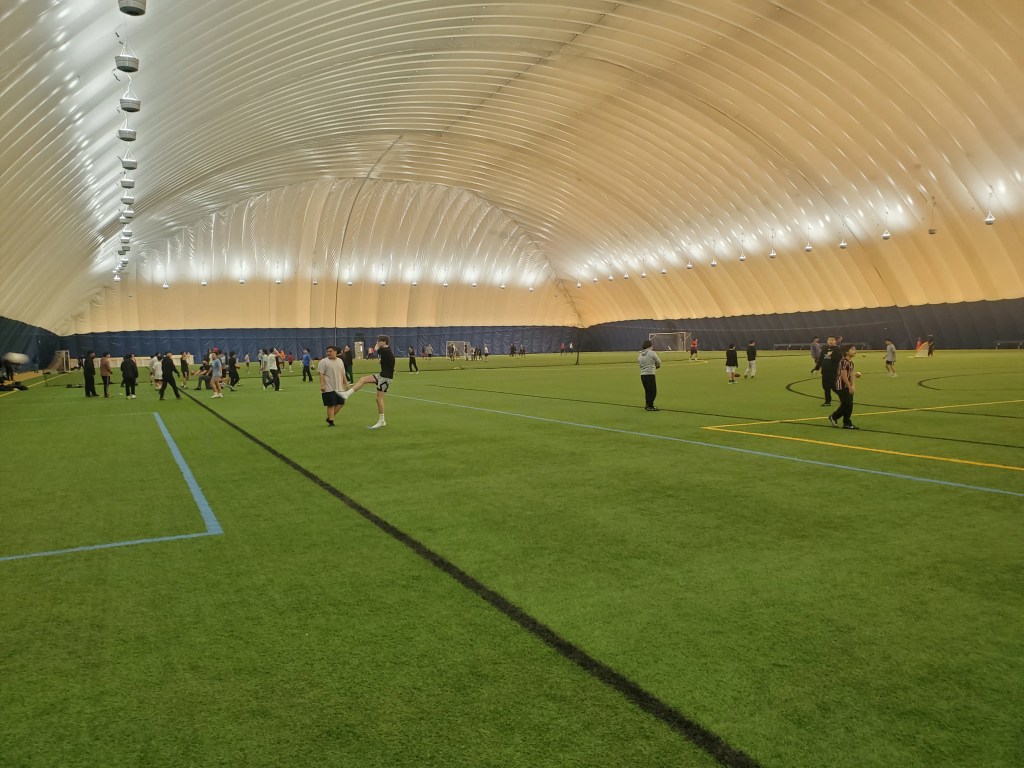
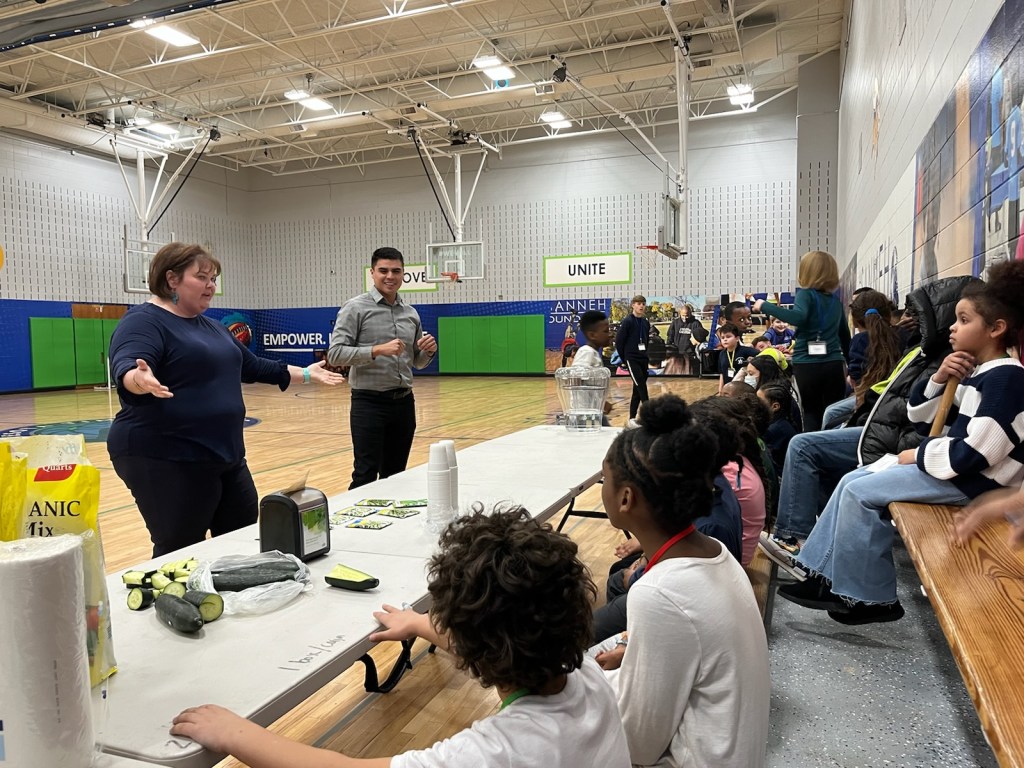
Upon entering the Sanneh Foundation, we were welcomed by an aura of trust, safety, happiness, joy, and genuine care that radiated from every staff, volunteer, and community member present. The founder, Tony Sanneh—previously a professional soccer player—greeted us and gave us a tour of some of the facilities and activities their center offered. I was impressed by the Sanneh Foundation’s community-based approach which extended far beyond caring for children. Services offered include housing assistance, children’s programing, senior programs, adult education, mentorship opportunities, and general community care. One impressive stat that stood out was at the start of the COVID-19 pandemic, the foundation distributed over 2 million pounds of food to the community. One of their newest programs was bringing robotics to the children and it is 1 of 20 robotic programs in the USA. Bringing STEM (science, technology, engineering, and math) to underserved communities is creating new experiences and opportunities for these children to impact the systemic oppression of communities of color. The Sanneh Foundation is setting an example that we hope will spread its influence, so that it may become more impactful and be able to serve a larger population. Some of their most powerful mantras are the following: Empower kids. Improve lives. Unite communities. These pillars of the Sanneh Foundation—Education; Health and Wellness; and Community-building—are coming from love, and we are now carrying a piece of that love with us as a shared life experience. Tony Sanneh left us with this question, “Why not you?” We are all capable of impacting lives positively and creating the change we want in our communities. Start now. Don’t wait.
 California Agricultural Leadership Program
Leave a comment