

As we embrace our second day in Medellín, Colombia, our Presiding Fellows provided the Class with three questions to have in mind while we enter today’s sessions and tours. These questions are presented to elicit spectral thinking (not everything is black and white – the grey is real) when presented with some of heavy topics of the day, including Pablo Escobar, child and women labor issues, and entering into City Center of Medellín.
1. Dealing with everyday violence. How would it feel to wake up, say goodbye to your family, not knowing if you’d ever return?
2. How would you feel if you had a new school, new soccer field, and these community resources were funded by Pablo Escobar, yet he was also responsible for killing your Uncle/Aunt?
3. How do you think spectral thinking can help you understand the aspects of Colombian history? Especially the influence of Pablo Escobar, acceptance of violence and inequity in shaping its present and future?
First Stop: Inflexión Memorial Park
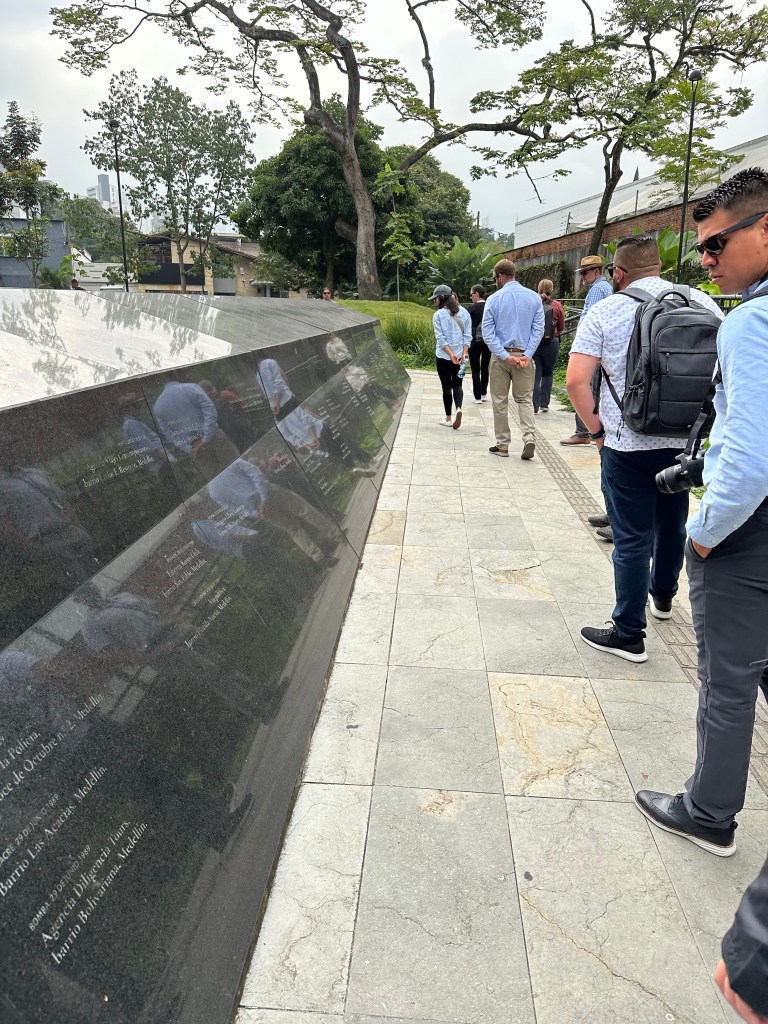
Our first stop of the day was Inflexión Memorial Park, once the site of a car bombing at the home of Pablo Escobar that in 2019 was turned into a memorial for the victims of Pablo and his cartel.
Pablo Escobar 12/1/1949 – 12/2/1993
Colombia is known for many things, such as bananas, its lush rainforest, and unique and vibrant culture. However, it is also known for a man named Pablo Escobar and the Medellín Cartel.
Pablo Escobar demonstrated leadership without a doubt, but in worst possible ways. Among his many misdeeds, he used his power and money from his drug cartel to buy and influence the media, government and everyday citizens, amplifying the impacts of his work at every turn.
Pablo and the Medellín Cartel would exploit poor neighborhoods by recruiting the disadvantaged and vulnerable. If someone resisted, Pablo would ‘take care of them’. This then turned into the “desire” of regular people, including children, to be a part of the cartel around 1981, which ushered in the height of crime and terror in Medellín. Shortly thereafter, bombing started as a political power play against other cartels that attempted to resist Pablo’s demands. By 1989, Medellín, Colombia was considered the most dangerous place in the world. By the end of Escobar’s reign, it was claimed that he was responsible for the deaths of over 40,000 people and over 200 bombings.
Plata o Plomo – Money or Bullets

In 1990, Escobar approached the government to make a deal for his “arrest”. His proposal included: serving a five year sentence that would be served in a jail built by Escobar himself that would be staffed with his own people. In return he would confess some of his minor crimes, but maintained that he never killed an innocent person. However, he demanded that the constitution be changed so that he could not be extradited to another country. All parties agreed and his five year sentence began (he served 11 months of his sentence before escaping).
Pablo was killed on December 2, 1993, and his reign of terror ended for the people of Colombia. While this was celebrated by most, this marked the beginning of the next complex chapter of Colombia’s history, which we will be exploring tomorrow.
Next up, Stop 2: Meeting with PACT World
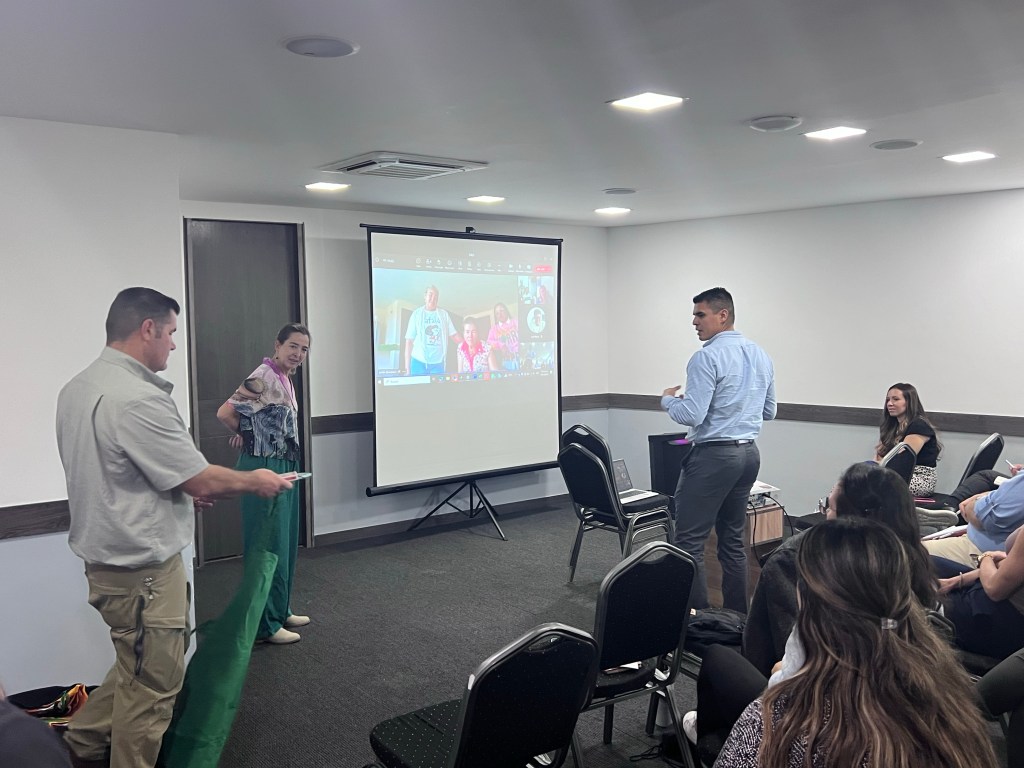
In the midst of Colombia’s complex history there are beacons of hope, and PACT World Colombia is one of them. Founded in 1971, PACT is on a mission to bring positive change, building resilience, ensuring accountability, and enhancing knowledge and skills for sustainable social impact. From our view, there’s no question PACT is making a difference on the ground.
We sat down with Patricia Henao Saavedra and the dedicated team at PACT, including Felipe Chaparro and Laura Cortes, and met the passionate individuals driving change in Colombia.
PACT has been active in Colombia since 2013, focusing on rural and vulnerable communities. Their mission is simple: empower Colombians, especially those who’ve been marginalized, to thrive and have their voices heard.
In collaboration with local organizations, PACT leads projects that address child labor, improve working conditions, empower women in various industries, and champion the rights of vulnerable women and children in agriculture.
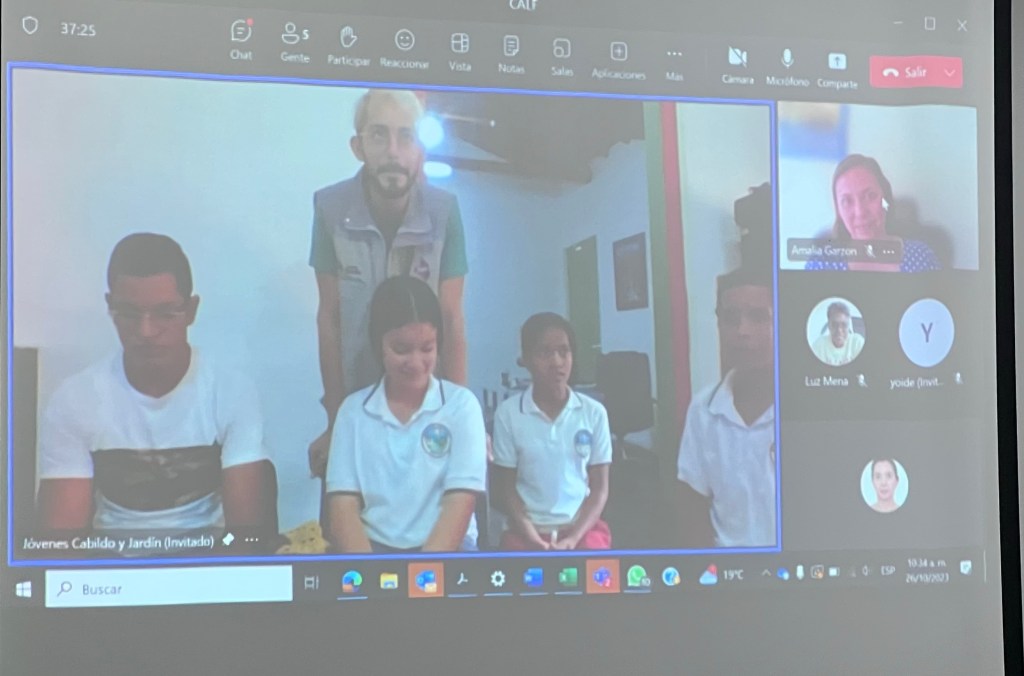
One project that stands out is the Pilares project. It goes beyond addressing child labor; it aims to create better working conditions. Funding for these transformative projects comes from the U.S. Department of Labor and USAID. Typically, these projects run for about 4-5 years, with the goal of making the communities self-sufficient.
A key aspect of these projects is empowering women. It’s not just about providing knowledge about organic agriculture; it’s about creating a supportive community that helps them tackle issues like gender-based violence.
These projects also focus on sustainability, teaching communities how to produce food efficiently and reduce waste. And there’s a fascinating twist with ecological sugarcane cultivation, creating a chemical-free sweetener called “panela.”
These initiatives aren’t just about economic empowerment; they also emphasize the importance of emotional support and community.
Youth in rural areas also benefit. Vocational training and digital tools are opening doors for them to earn a living without leaving their farms.
A heartwarming touch is the revival of traditional recipes passed down through generations. Participants are putting together a recipe book, preserving their cultural heritage and fostering unity.
The Pilares project, which started as a 2-year endeavor, has now grown into a 6-year initiative. It’s a collaboration of 29 organizations, including nine focused on agriculture, with programs for minors and women. It engages 400 children and 300 men and women.
PACT’s journey in Colombia shows that change happens when organizations connect with local communities. It paints a picture of a brighter, more equitable future, where unity prevails, hope thrives, and resilience shines through.
Final Destination for the Day: La Plaza Botero y La Museo de Antioquia
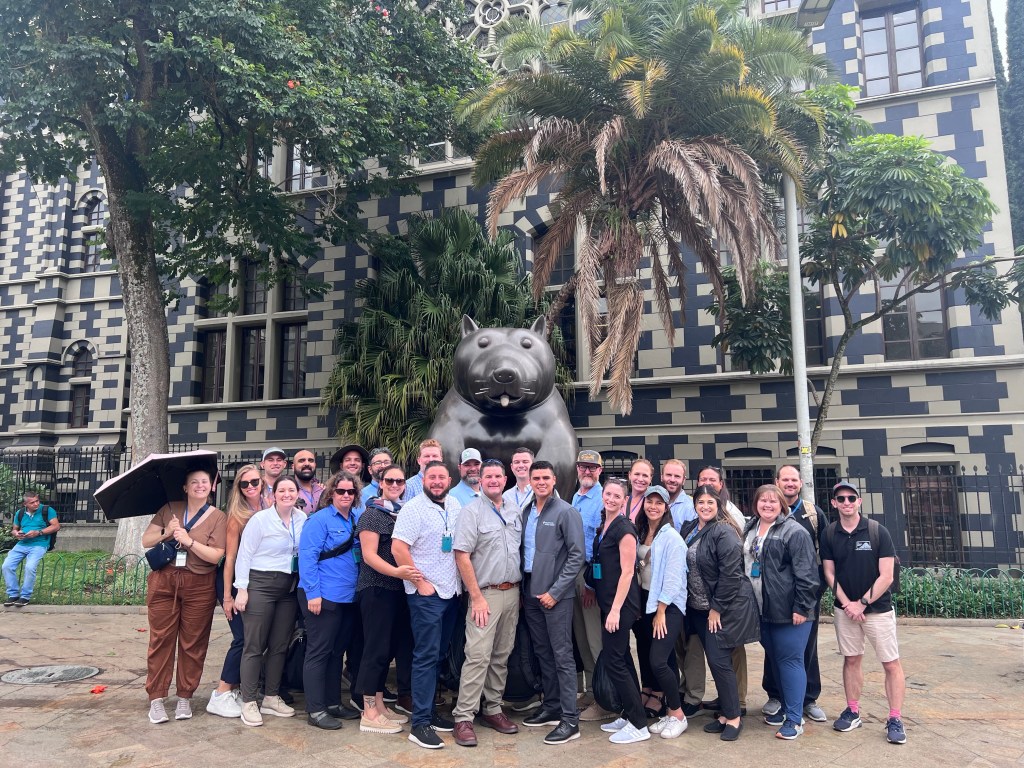
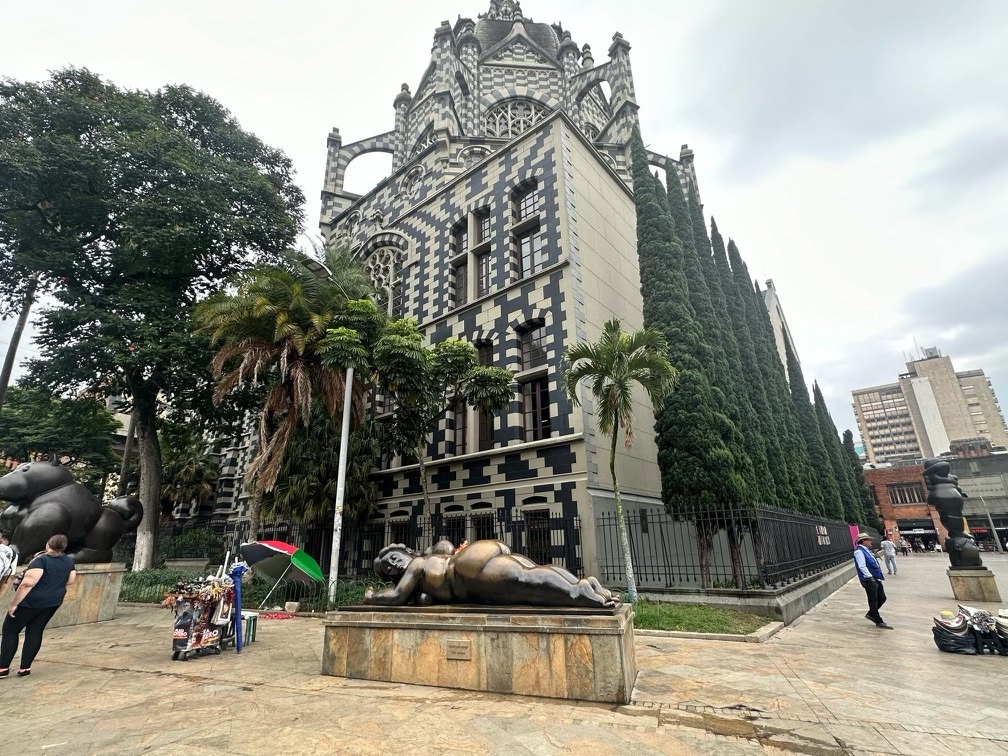
La Plaza Botero and La Museo de Antioquia are two iconic cultural landmarks located in the heart of Medellín, Colombia. La Plaza Botero, named after the renowned Colombian artist Fernando Botero, is a bustling public square adorned with 23 of his distinctive bronze sculptures, personally selected by Botero himself. These voluminous and exaggerated figures – like all of his art – have become a symbol of Medellín and provide a unique opportunity for locals and tourists to interact with art in a playful and approachable manner. Botero’s mission was to create art that was accessible to all people.
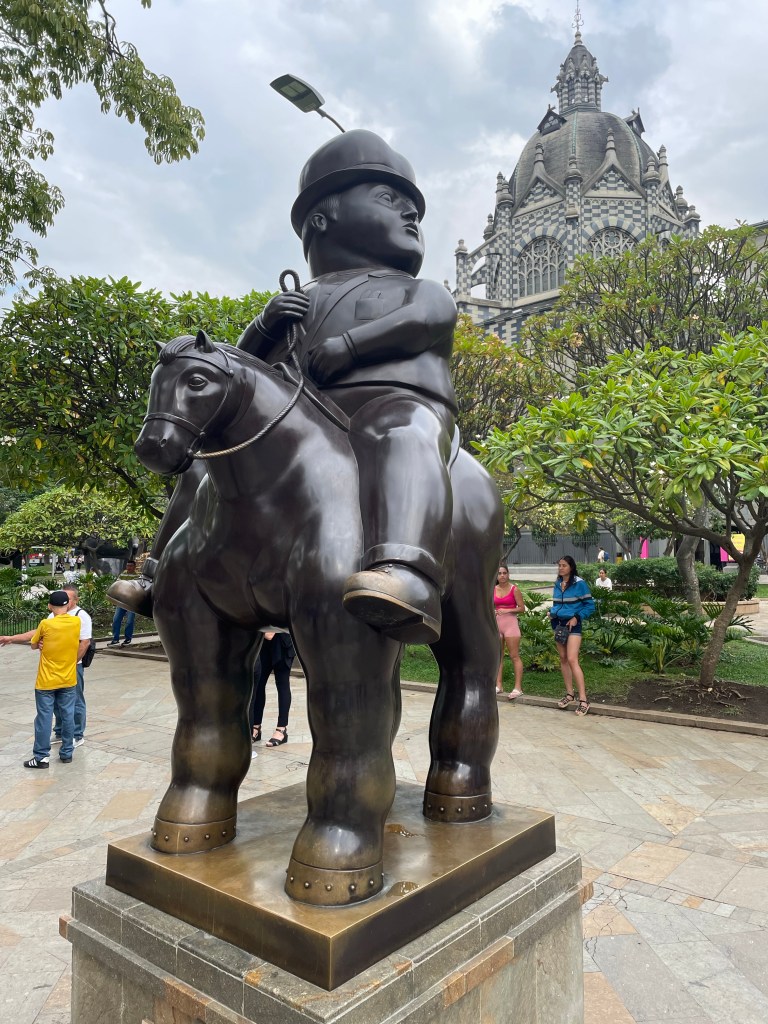
The plaza also serves as a vibrant gathering place for events, street performers, and a wonderful look into Colombian life.

We learned that Botero’s style included subtle, and sometimes obvious, hints of deeper meanings and hidden themes. An example of this is the painting of his son, who died in car accident at age four. In the painting he depicted his son in full military outfit, on a horse with human-like eyes.
Takeaways from the Day

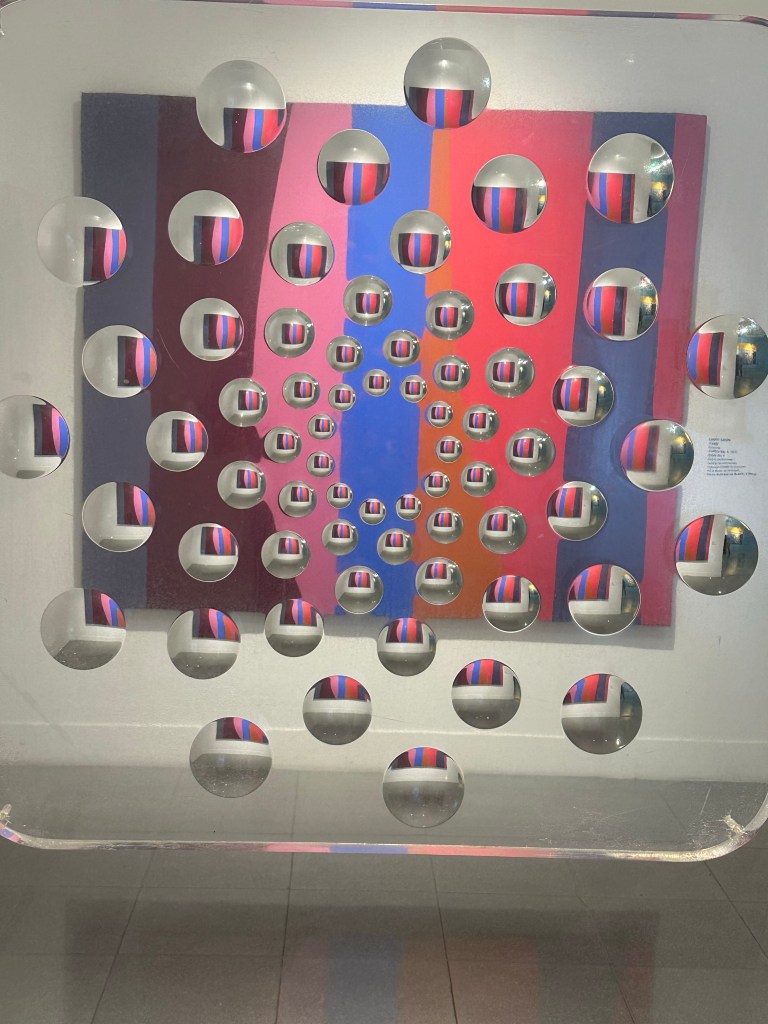
Fanny Sanin – Acrylic No. 4 1970
Being mindful of the questions posed by our Presiding Fellows about Spectral Thinking, we took the opportunity to seek out the gray area in all aspects of the day. A great example we found was ‘Acrylic No. 4’, from Colombian artist, Fanny Sanin. The first photo above is our Black and White. The second photo is our Gray. Depending on our perspective, many versions of the same thing can be true. Depending on where we stand – physically, emotionally, mentally, spiritually, we can all look at the same thing and see something different.
There are Three Truths.
My Truth.
Your Truth.
And The Truth.

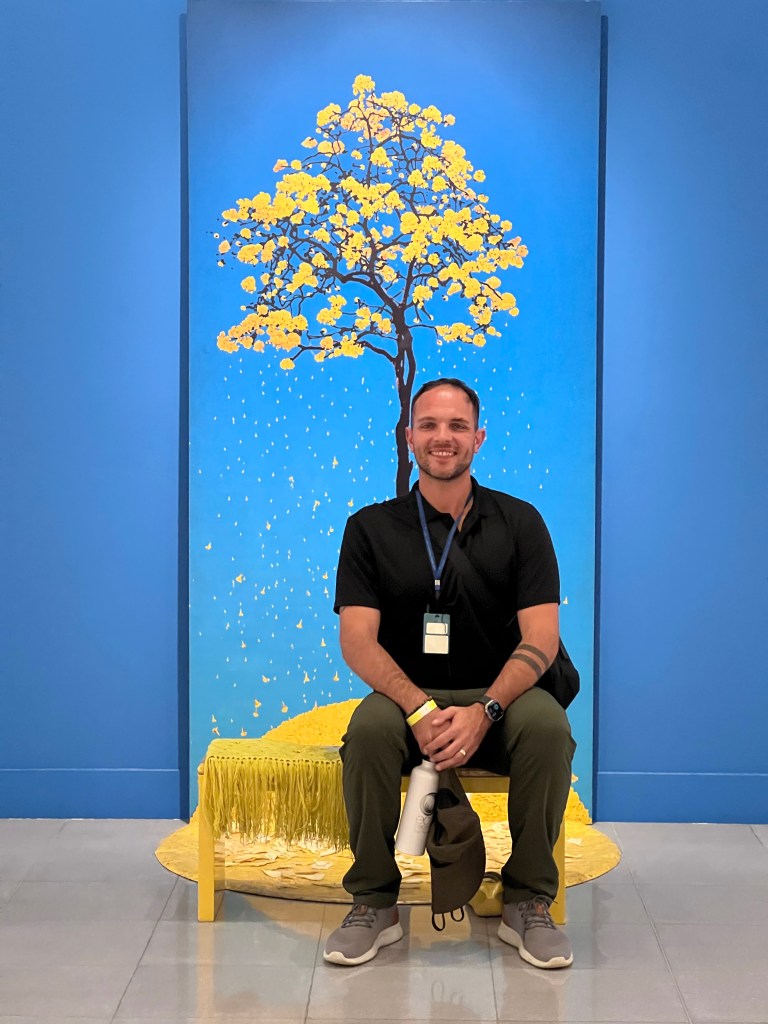



Love from Medellin, Christopher G, Jeff I, Jeannette

 California Agricultural Leadership Program
Leave a comment