
It’s 3:30am, and 27 sets of sleepy eyes gather on the street for our departure.The city is still awake because in the case of Bogota, the city never slept. The beating heart of this massive metropolis continues in rhythm as the street pulsates with traffic. It’s hard to believe our time in Colombia has come to its end, but it’s left a lifelong impression.
Going forward it will be hard to talk about Colombia without speaking about the resilience of its people and the story of citizens taking the destiny of their nation back into their own hands. Colombia is a rich tapestry that is still unfolding and telling its story – from Medellín’s post-cartel evolution, to Cartagena’s rich history of colonialism and trade in enslaved people, to the ever expanding bustle of innovative Bogota. We won’t soon forget the numerous lessons we learned, foremost among them that great change begins with small, kind acts of resilience at home.
We also have a deep gratitude to our guides, especially Vivi and Dave who accompanied us throughout our time in Colombia. Vivi, who was born and raised in Colombia, was our guardian angel throughout the trip and handled pivots so well that we hardly noticed any changes. Dave, a UK expat living in Colombia, is one of the owners of the agency and ensured we had a smooth and safe experience. They were deeply touched by CALF’s approach to engaging in international travel and promised that this was not an ‘adios’, but an ‘hasta luego’. We’re truly grateful for the Colombia Project and its staff for taking care of us throughout this once in a lifetime trip.

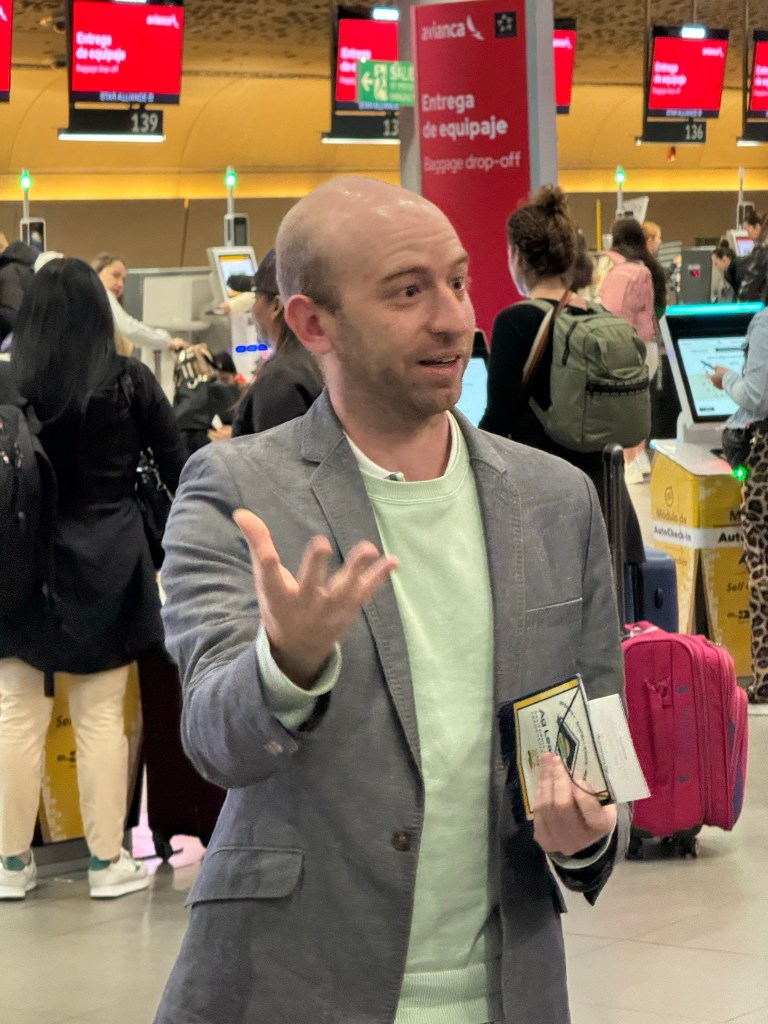

After our goodbyes and short plane ride, we touched down in beautiful Costa Rica. We went from 8,612’ above sea level to just under 4000’ (a great relief to our lungs). We also had to quickly adapt (again) from chilly temperatures to a tropical, warm climate. We met with our guide for the next few days, Weilding, and our bus driver, William. They loaded us up and we were on our way to our first stop – University for Peace.
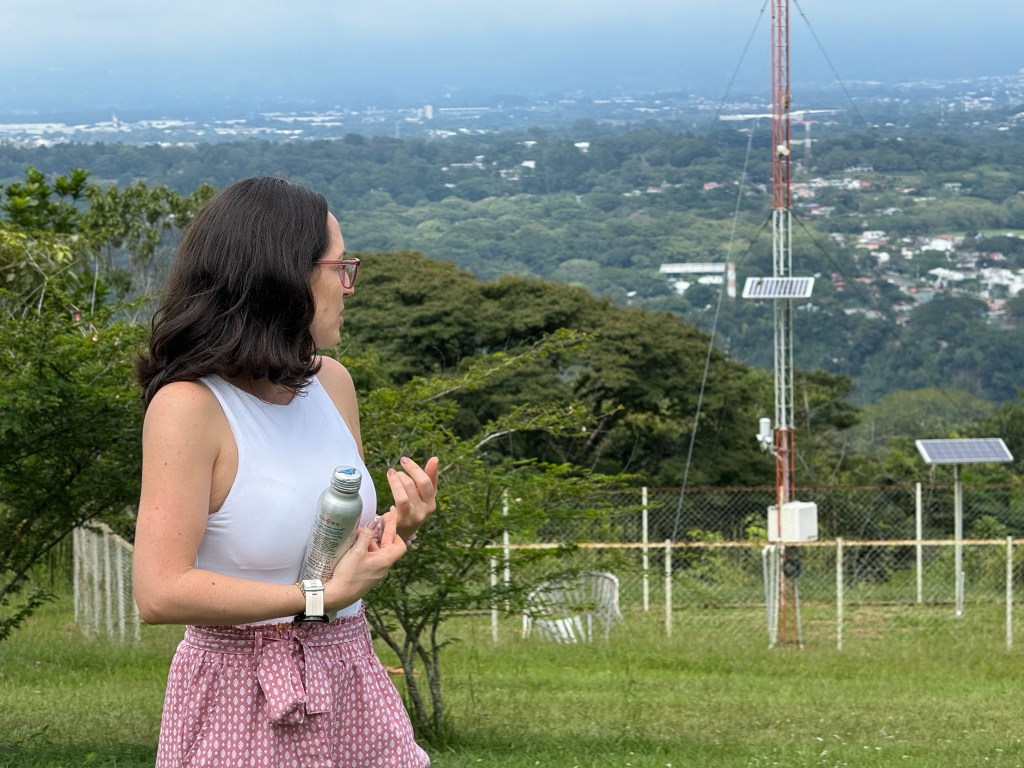
Located just outside the capital city of San Jose, Universidad de la Paz is and institute of higher education established by the United Nations in 1980 to study the disciplines and issues that factor into the mission for world peace. After lunch, our host and program director, Gabi, gave us a tour of the campus composing of just over 100 students. The campus is very isolated atop a hill with a panoramic view of San Jose and is nestled among hundreds of hectares of ecologically important national forest. Gabi was the perfect guide as she had roamed the halls of the University as a kid when her parents managed the cafeteria. She fell in love with their mission and returned years later to share her story with groups like ours.
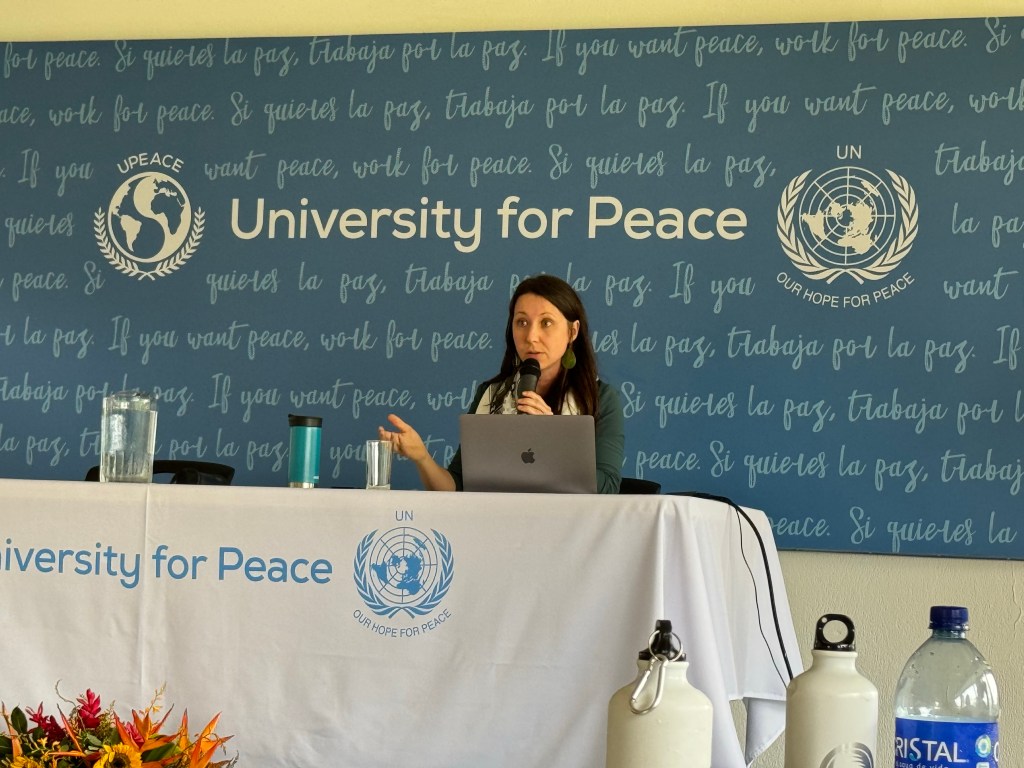
We settled into one of the university’s classrooms for two fascinating sessions. The first revolved around the subject of indigenous people and their rights, specifically concerning their food culture. Our Speaker, Dr. Olvia Sylvestre, is a Canadian Expat who has been living in Costa Rica for the last 17 years. She opened with the statistic that 80% of the world’s biodiversity is located on indigenous lands. To our group, this was astounding. Dr. Sylvestre explained how there is an intrinsic connection between protecting natural environments and supporting the indigenous people that are culturally tied to it. This isn’t a new revelation either; the United Nations formally recognized the need to protect indigenous people’s rights as early as 1990s. However, to many of us this connection was new and we hadn’t heard it put in that light. Currently, Costa Rica is one of strongest nations to advocate for indigenous rights in the world and the University for Peace works to expand those efforts to the rest of the world.
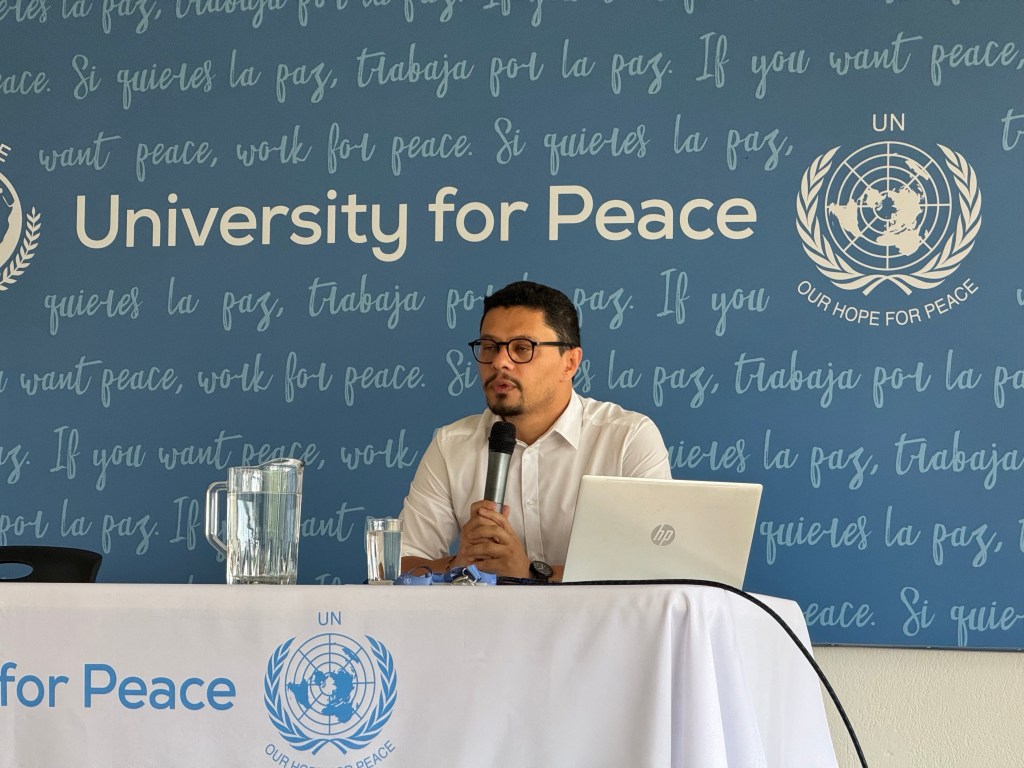
Our second speaker, also from the university, was Dr. Mauricio Vieira. Dr. Vieria is the Chair of the program on Countering Illicit Trade and Preventing Transnational Organized Crime. His work centers on developing a nuanced understanding of organized crime, which allows societies to better combat it. Human trafficking is the worlds biggest source of organized crime, followed by cannabis trade and arms trafficking. This helped us to contextualize much of we learned in Panama and Colombia – including the massive movement of migrants through the Darien Gap and about the instability that has characterized the history of this part of the world. He detailed how organized transnational crime is a product of state fragility and works with the United Nations to improve systems that combat organized crime in vulnerable countries.

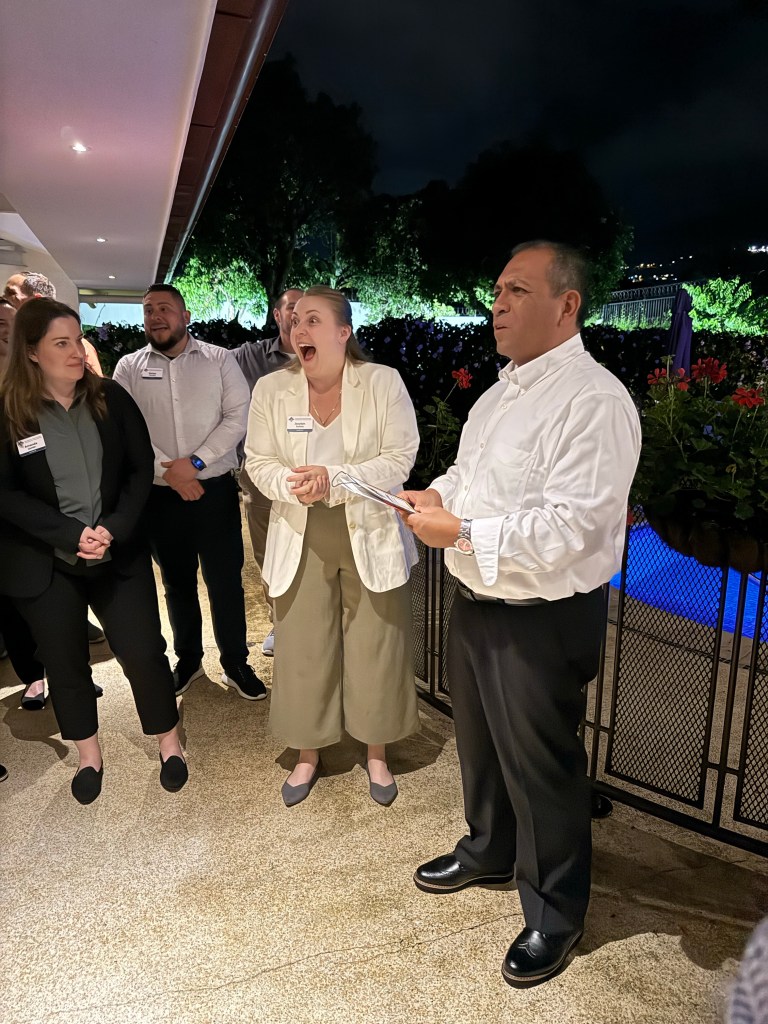
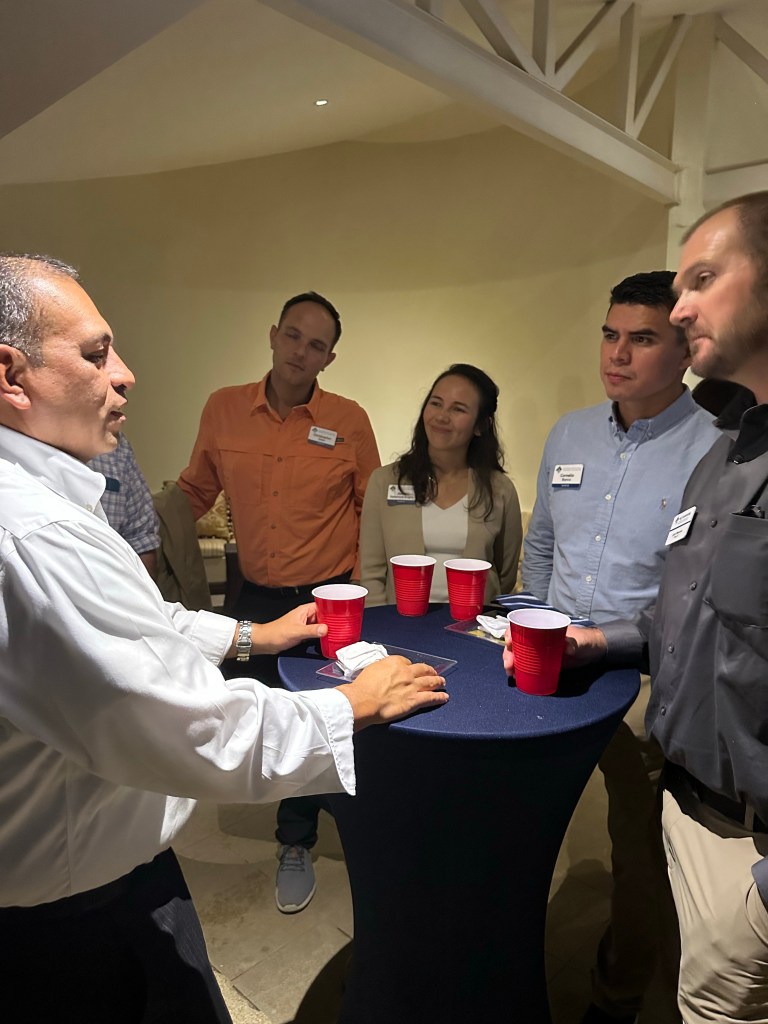
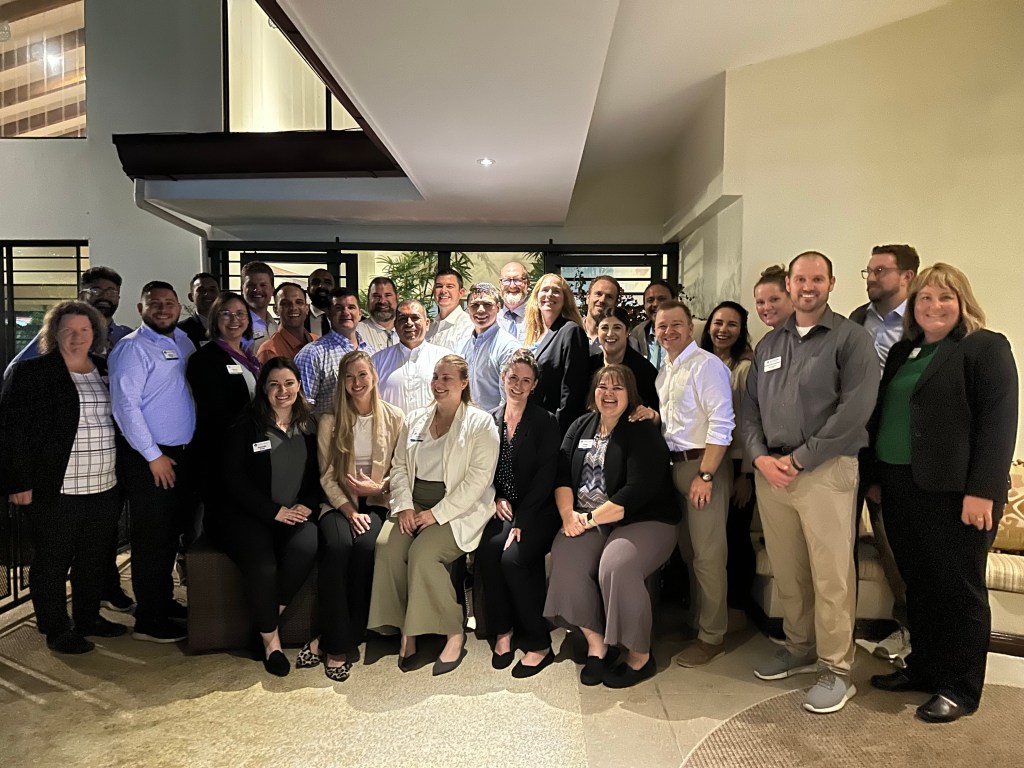
While we were sad to leave the gorgeous University for Peace campus, a soothing drive through Costa Rican countryside gave us time to appreciate everything our final destination has to offer and prepare for an evening with US embassy staff. We arrived at the Deputy Chief of Mission’s (DCM) estate just as the sun was setting. Our class was warmly welcomed by DCM Michael Flores and had the opportunity to introduce ourselves – and the industries we represent – to him and his staff. DCM Flores noted with appreciation the diversity in lived experience and expertise that our class possesses and bonded with some of our fellows over his deep ties to Southern California. We passed an unforgettable evening learning directly from him and his colleagues about our regional partners and areas of alignment between the US and Costa Rica. It was the perfect preview to get us excited about tomorrow which starts bright and early at the US embassy!
Signing Off- Arima, Mallvinder, and Danny
Pura Vida!
 California Agricultural Leadership Program
Leave a comment