
Buenos Días, Costa Rica! Our journey through this diverse and vibrant continent reaches its final days in the tranquil lands of Costa Rica. We continue to experience the culture, history, and leadership of this country through unique lenses.
One of the most fundamental aspects of our trip is to see ourselves and other leaders around the world adapt to environments. Today, this was apparent in the public servants leaders we met that represent our country abroad, as well as in the ways Costa Rica honors its indigenous culture.
Whether we are public servants representing a nation, endangered populations trying to hold onto culture, or Class 52 fellows trying to learn about the world, leadership is a sacrifice. This is especially the case for those of us that recognize to be a leader is to serve a greater purpose.
We began the day with an early morning breakfast in the hotel where we got our first taste of Costa Rican cuisine – gallo pinto (mix of rice and beans), fresh tropical fruits, and the rich Costa Rican coffee. Outside was foggy and cool from the recent rain and we heard the sound of tropical birds chirping and singing to each other. Bellies full, we headed out early to be on time to our first destination – the US Embassy.
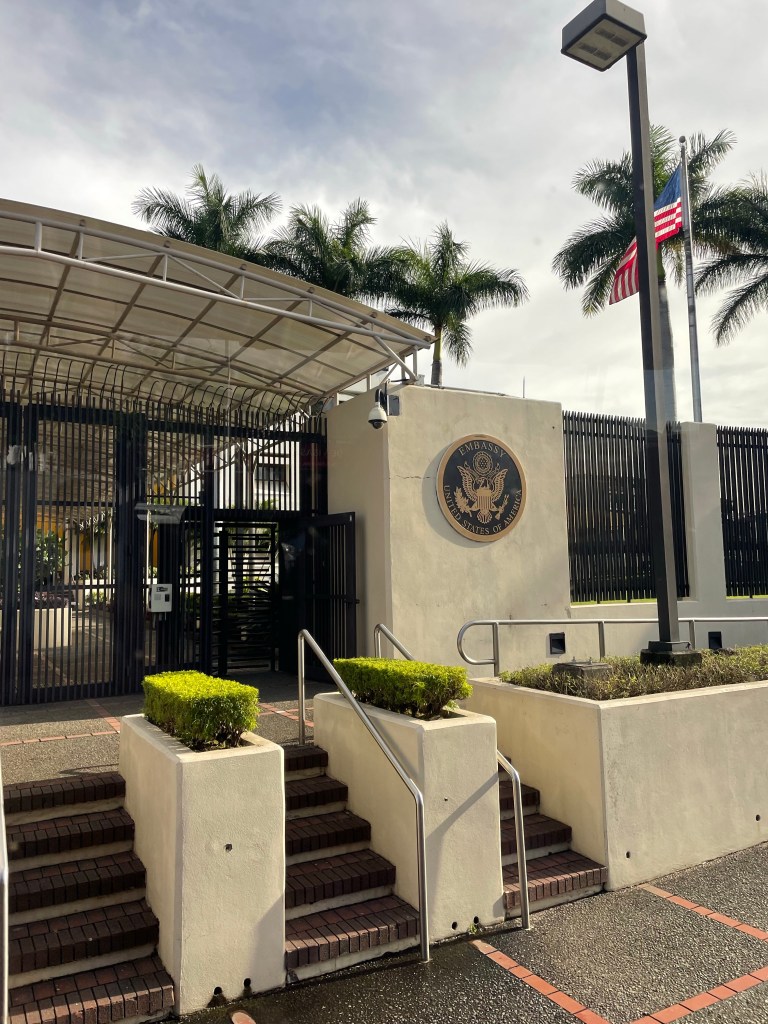
We had the pleasure of meeting our US Embassy host, Evan Mangino, last night at the Deputy Chief of Mission’s Official Residence. Evan’s energy, knowledge, and love of country was evident. Not from an agricultural background, he fell in love with agriculture because of what it does for the security of a nation, both economically and socially. When people are fed and when they have good jobs, the nation is strong.
“The best way to promote economic development is through agriculture.”
Evan Mangino, Agricultural Counselor to Costa Rica and Nicaragua

The mindset of servant leadership was prominent at the US Embassy. These jobs require tremendous self-sacrifice. Each of our speakers were called to a life of service by leaving their homes to live in a foreign nation away from family and friends. This sacrifice is shared by partners and spouses, children (and dogs!) and family decisions are made jointly when ranking the next tour location.
Evan delivered a phenomenal overview of USDA’s Foreign Agricultural Service (FAS) role across the globe and how agriculture is a critical component of trade. Costa Rica is about the size of West Virgina and produces coffee, bananas, sugarcane, and cattle. They are the 29th largest export market for US agriculture, importing US corn, soybeans (they have the only crushing facility in Central America), dairy, and nuts. Any agricultural trade issues or disputes go through USDA FAS, and Evan encouraged us to call his office first should we ever have shipping delays or other ag trade issues in Costa Rica. Thank you for your service, Evan!
Our next meeting was with a panel from the US Embassy: Elizabeth Smith, Public Diplomacy Officer for Public Engagement; Ian Wallace, Political/Economic Officer; and Sara Test, Acting American Citizen Services Chief. They all served under different “cones” of the Foreign Service and gave us a wide angle view of what the FAS does. A common thread, we discovered, was immigration. Just as we saw in Panamá and Colombia, immigration is one of the top, if not the single most important, issues facing these countries. Costa Ricans are known for being friendly, warm, and welcoming people, and the level of immigration they are facing today is unprecedented. It is a constantly evolving issue they are trying to address, and our panelists are involved in different ways – from working with visa programs, providing education and increasing employability, to helping implement partner programs with governments and non-profits. As we saw throughout this international trip, immigration is a top issue facing all of the Americas.
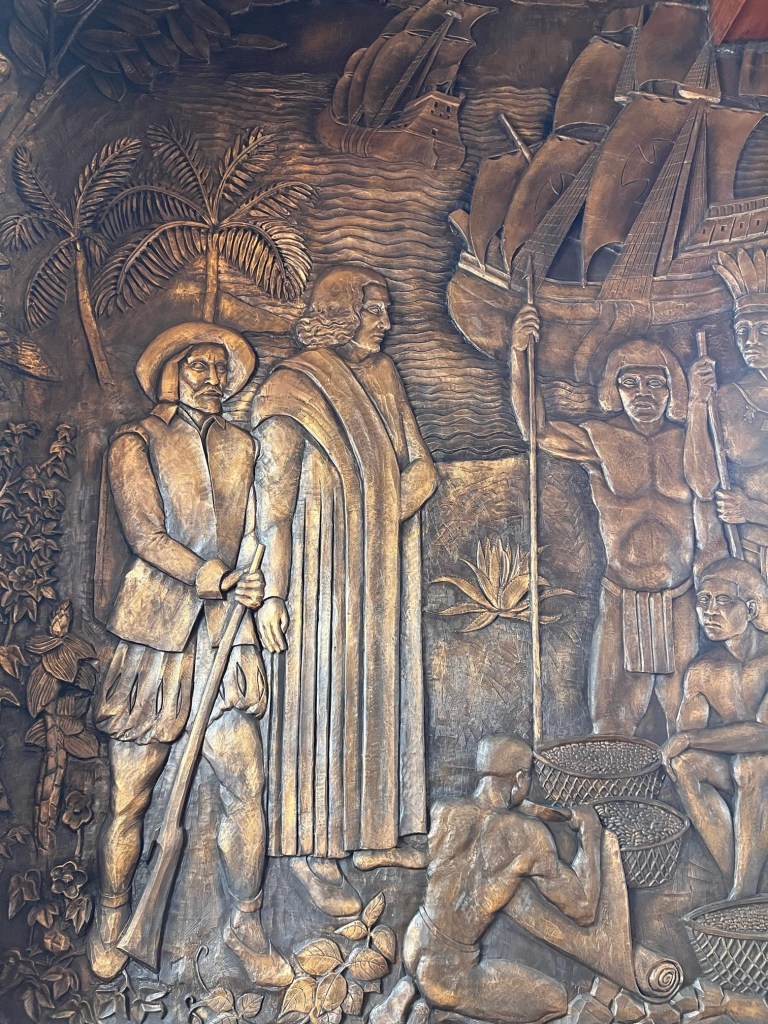
We said goodbye to Evan on the steps of the US Embassy and continued on our journey to a walking tour of the capitol, San Jose. We entered the Museo de Arte Costarricense (Museum of Costa Rican Art) and “The Golden Room” at the former La Sabana International Airport’s Diplomatic lounge (now a beautiful historic building in La Sabana Metropolitan Park). This room is covered wall-to-wall, floor-to-ceiling with a mural made of molded and carved stucco. It tells the history of Costa Rica, from the pre-Columbian era to modern day (1940s).

Next, we walked the streets, filled with people and shops, and entered into a building that housed the Central Market. You can buy anything here! Dresses, pots and pans, sandals, kids clothes, pets and pet food, fabric, meat, fish, fresh fruits and vegetables, and there were many prepared food and coffee vendors. The paths were narrow with merchandise spilling into the walkways, and the space was alive with people shopping or sitting for a quick bite of food.
The afternoon was filled with more touring of San José’s city center. After a brief stop for coffee at a corner bakery we headed to the Museo Nacional de Costa Rica where we saw a wide variety of exhibits. For example, a series of stone spheres were placed throughout the museum. They were created by indigenous people of the South Pacific of Costa Rica and are of great cultural and symbolic value. The first exhibit inside the museum was an indoor botanical garden and butterfly habitat. We saw a variety of beautiful butterflies, wildflowers and a chrysalis structure. The museum also boasted a rich history of Costa Rica’s indigenous people, the Spanish conquests, and an explanation of the cultural practices that Costa Rica’s indigenous people are working to hang on to today. This helped to further impress yesterday’s talk by Dr. Olivia Sylvester, who spoke of the Bribri people who grind corn by hand for knowledge and therapeutic reasons.
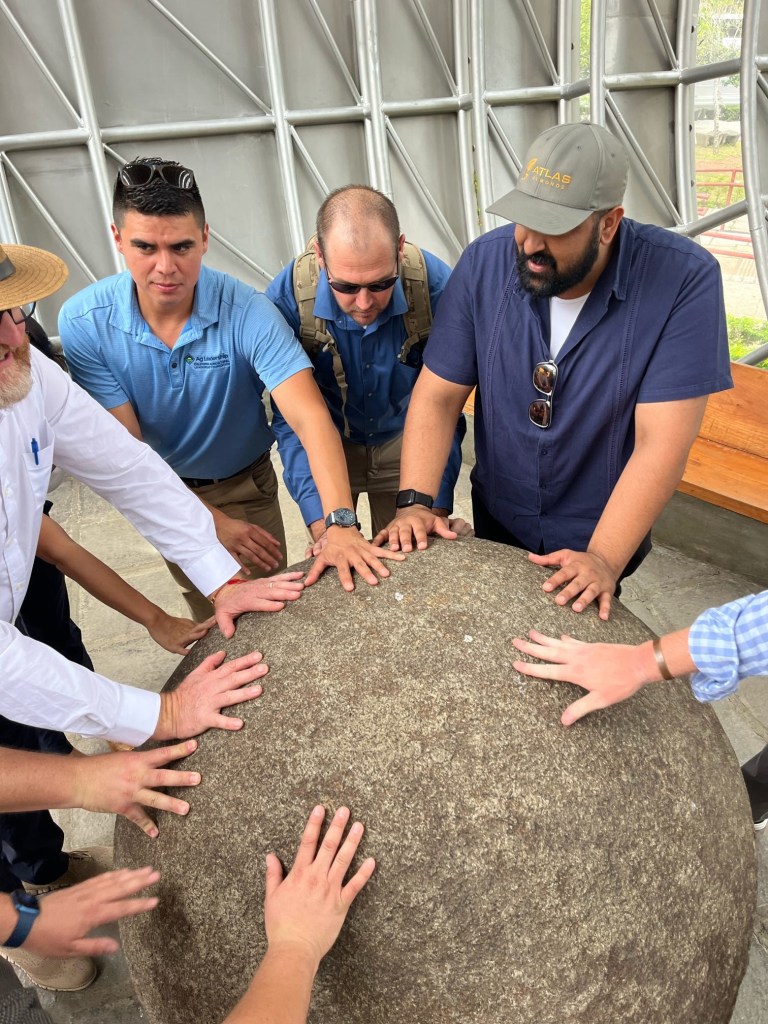

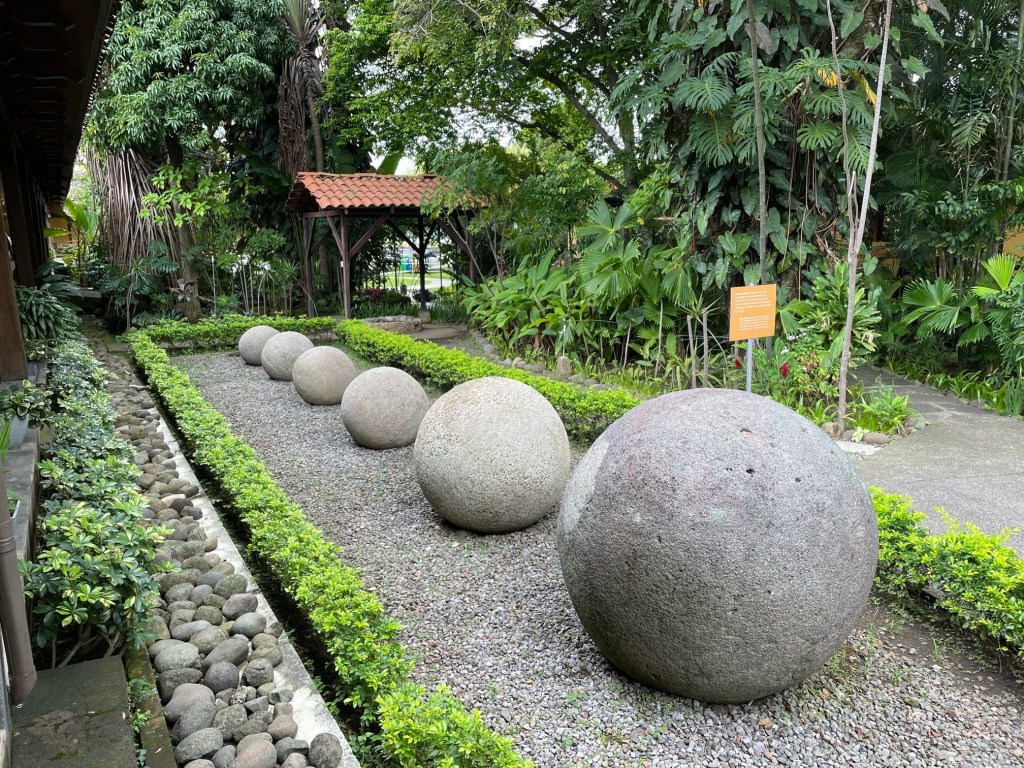

We also had the opportunity to learn about the independence of Costa Rica, which was surprisingly peaceful compared to other Latin American countries. This was a direct contradiction to the journey of Panama and Colombia’s independence. Unfortunately, even though there was a peaceful path to independence, Costa Rica’s indigenous communities are still dealing with hundreds of years of marginalization and poverty.
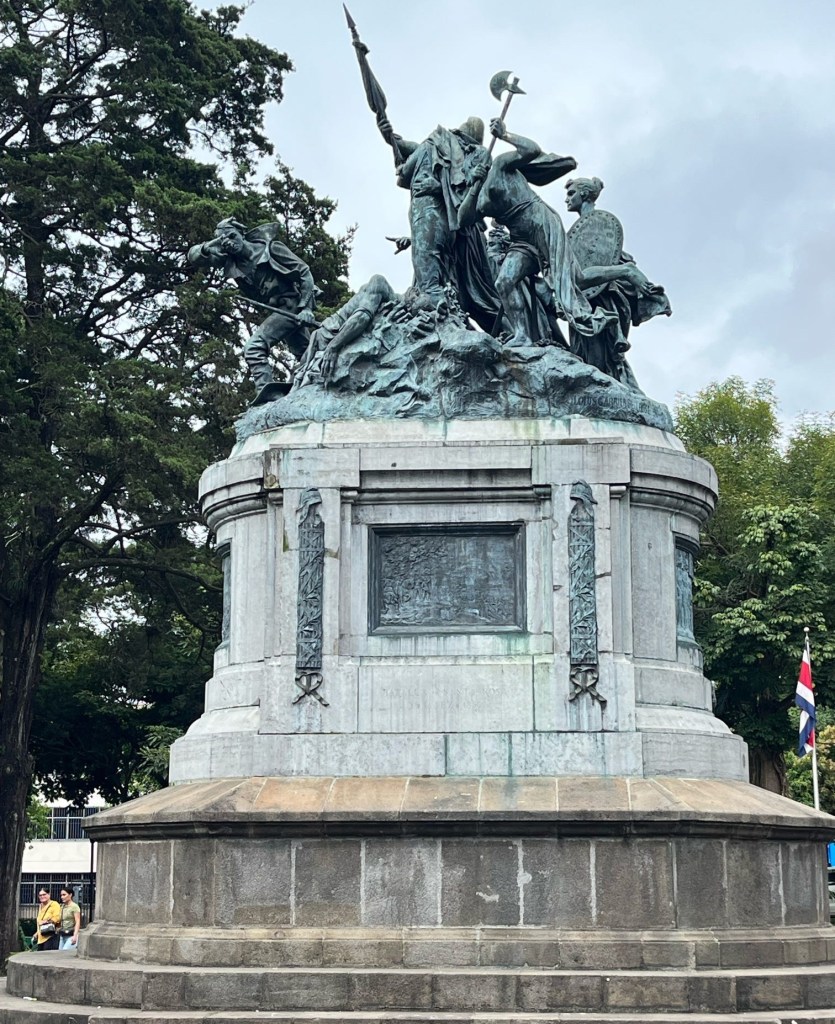
We concluded the afternoon by walking through a city park and seeing a piece of the Berlin Wall exhibited as a symbol of friendship between Costa Rica and Germany.

Elizabeth Smith, the panelist from our embassy visit, eloquently spoke her truth with the words “paths in life are not always linear.” She added that it’s important to push out of your comfort zones and to be globally and culturally curious. Her words speak truth and sincerity to the challenges and sacrifices of embarking on an international quest for knowledge. Whether that be the choice to move abroad for foreign service, or take 15 days away from our family and daily lives.
We have come across many exceptionally talented and inspirational servant leaders on this trip, and today was no exception. To learn about the history and leaders of the past in Costa Rica is to understand the present, but even more so, to shape the future. As we near the final days of our trip, and the last few months of the program, we have all changed. This change will help us to return home and become the servant leaders that CALP inspires us to be.
We send love from Costa Rica to our family, friends, and the CALP community!
Jacylyn Stokes, Kasey DeAtley, Anne Megaro

 California Agricultural Leadership Program
Leave a comment