
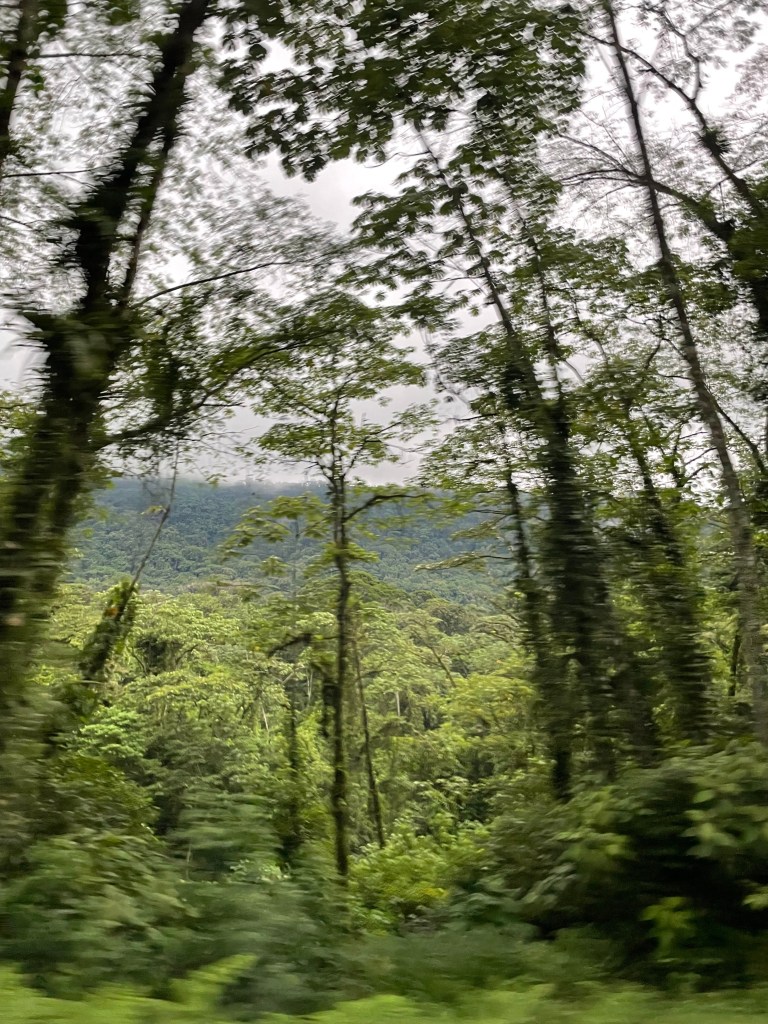
Another early morning for Class 52 as we continue to make every minute count on our International trip. As the bus leaves at 5:30 a.m., we are filled with excitement for what the day holds, but also longing to return home to our loved ones. We have a long drive through the Costa Rican rain forests, which are simply breath taking. The lush greenery and deep forest extend as far as the eye can see. The Braulio Carrillo National Park is home to over 6,000 species of plants and 950 species of birds. Fun fact: our route takes us through the area used to film both Jurassic Park and Congo!
Today we are visiting Earth University, located in the Province of Limon over on the Caribbean side of the country. Costa Rica is a leader in environmental stewardship and conservation, so we are eager to learn more about the university’s work, particularly as it relates to agriculture. Also, the CALF program has a very special bond with this university, as our previous Co-Interim Director of Education, Dr. Robert Flores, was the US Agency for International Development (USAID) Chief of Party and helped co-found the University. After our tour of the university, we will have our final synthesis, followed by our final class dinner. Tomorrow we head home!
In the 1980s there was plenty of unrest in Latin America. Because of the close regional proximity, the USA was quite involved (especially the CIA and covert operations). The US State Department pushed to invest non-military funds in the region. One idea was to start a university in Costa Rica, a peaceful country without an army that was centrally located in the Americas.
The USAID awarded funding to the lead institution Cal Poly, San Luis Obispo (in addition to Clemson and Rutgers) to develop a university devoted to sustainable agricultural practices in the tropics.
At the time, a common agricultural practice employed in this part of the world was slash and burn agriculture, which promoted monocultural production of crops like bananas, pineapples, and ornamentals as well as providing grazing for the cattle industry. This practice destroyed much of the rainforest and tropical ecosystem, home to nearly 80% of all species of plant and animal life on earth.
EARTH University accepted its first class in March of 1990. Cal Poly had begun faculty instruction on the site to help the institution adopt a “learn by doing” philosophy. Hands-on, practical education was the key in starting EARTH out with a solid footing.
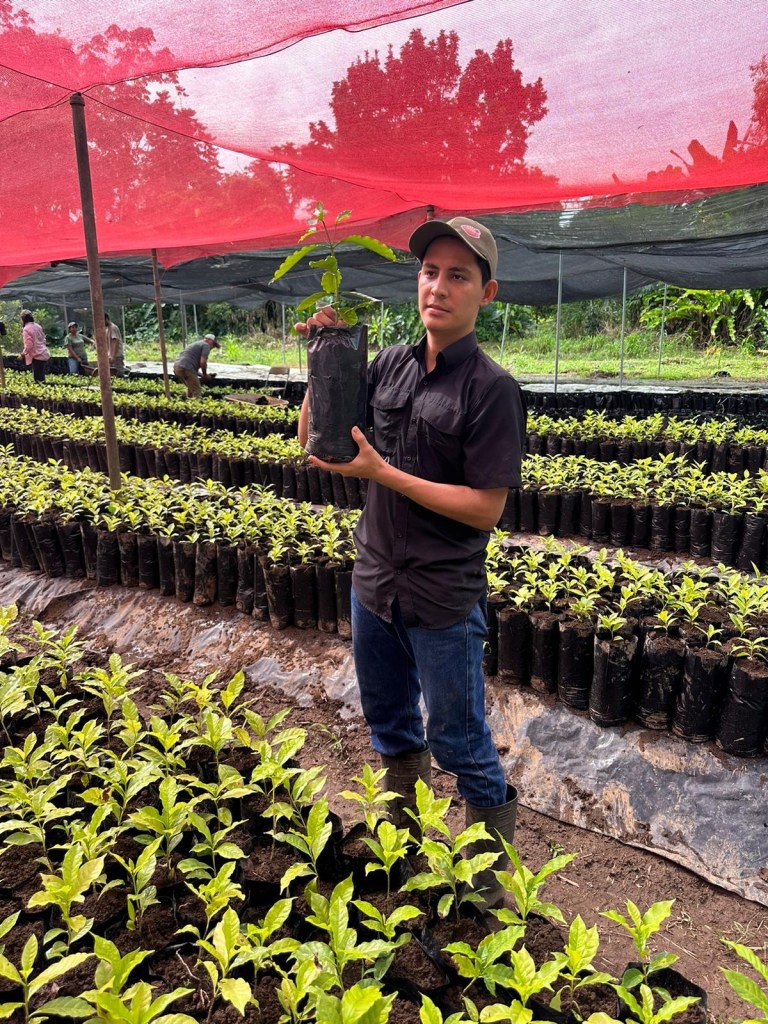
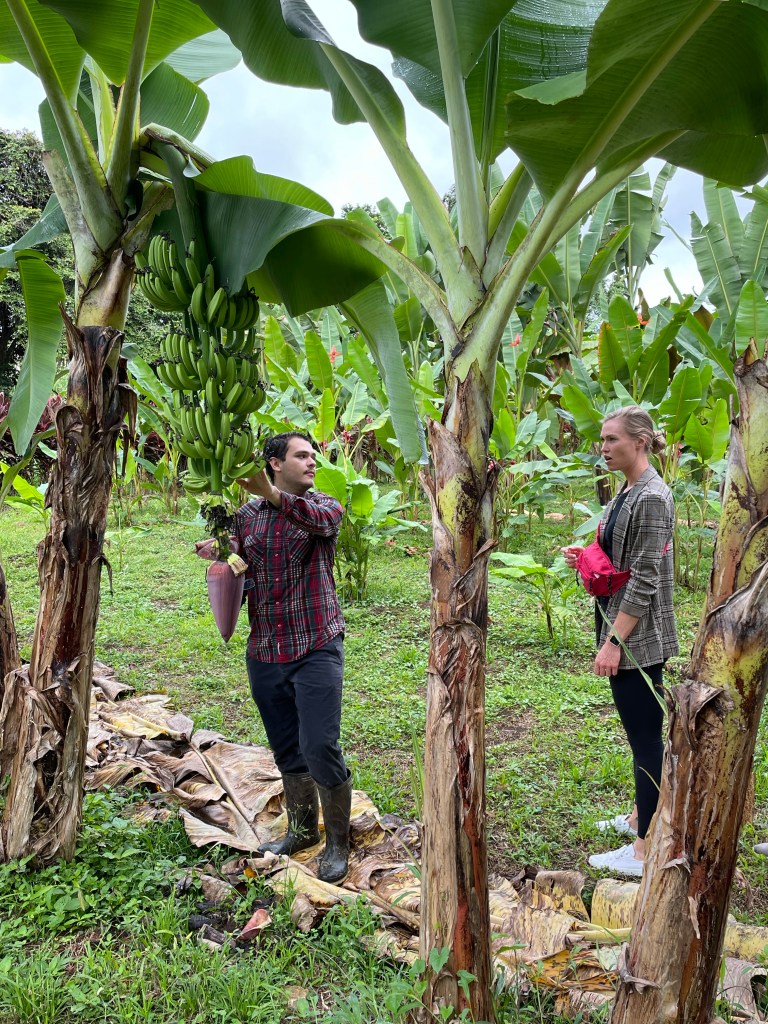
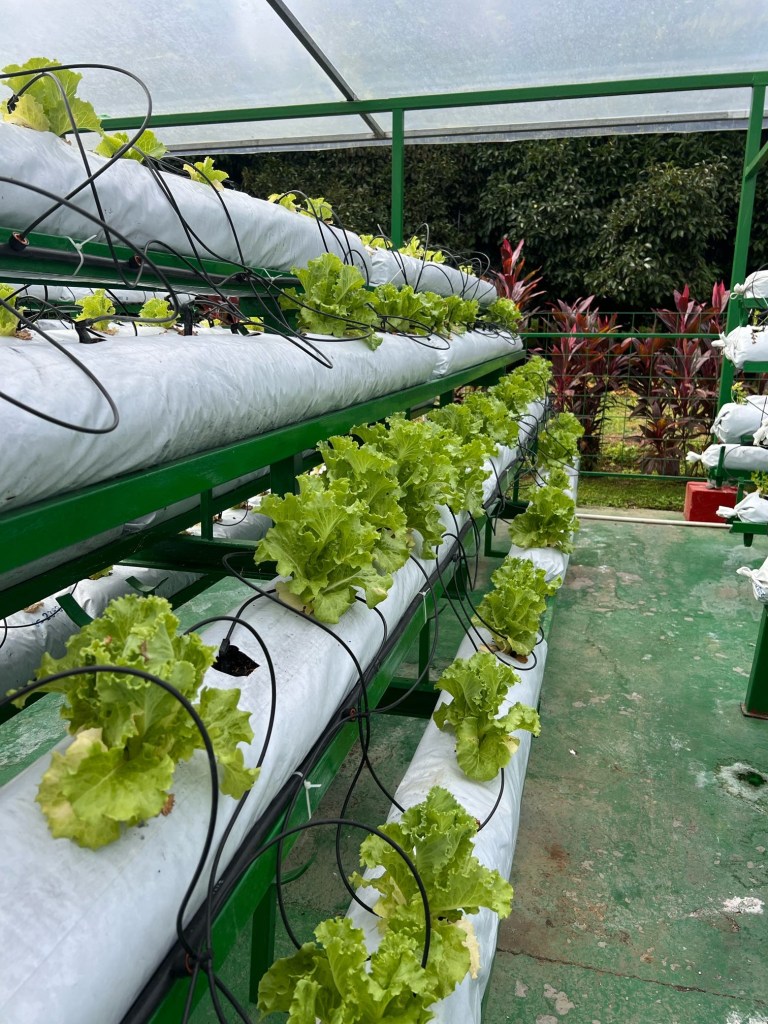
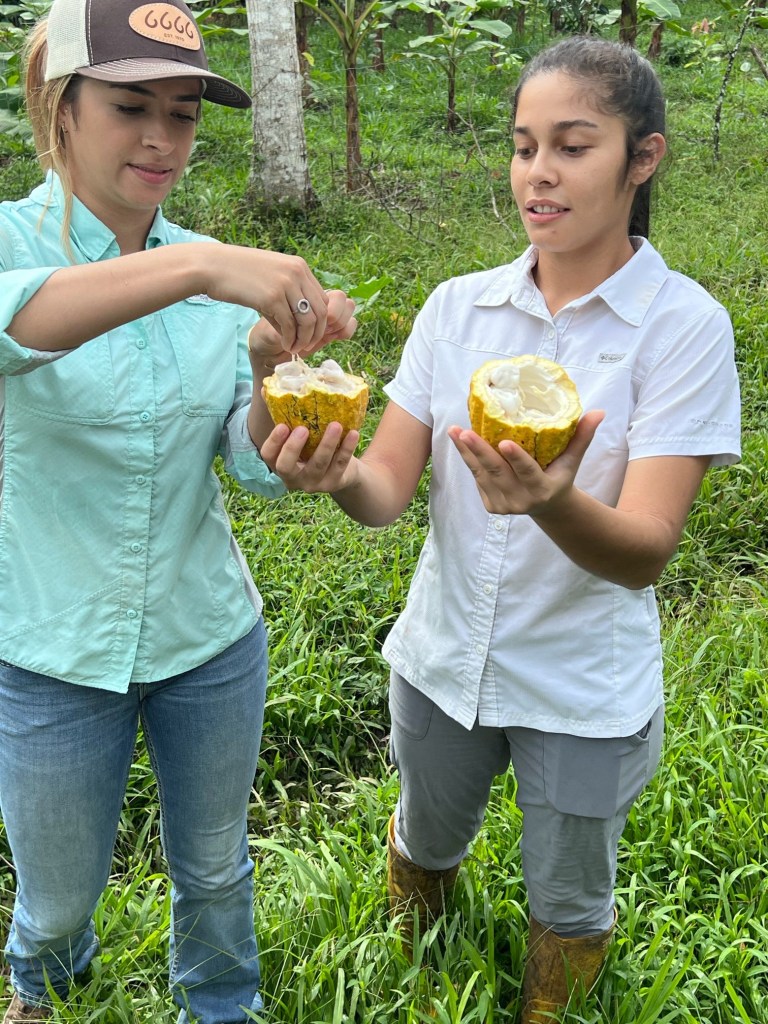
During our visit to EARTH University, the consistent application of this principle became increasingly clear. We were greeted by Marianela Gamboa, a fourth year student, who led the tour and gave us general information. Class 52 then split into five groups each of EARTH Universities focus areas:
Crop science
Animal science
Ag services
Organic farming
Agro forestry
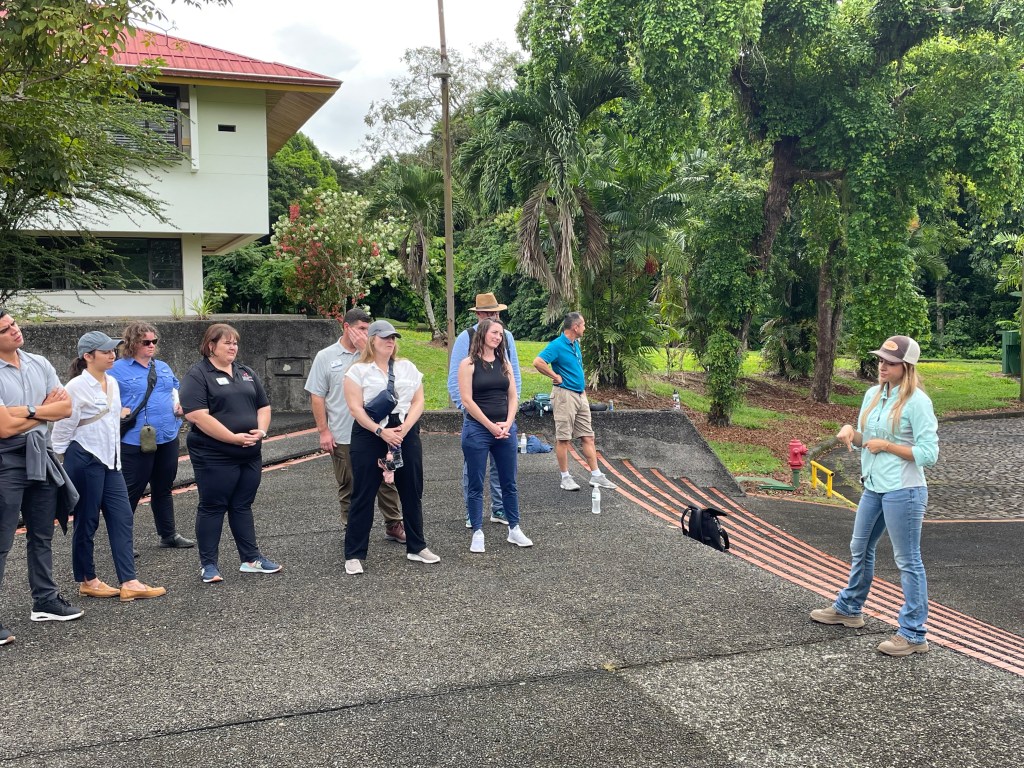
The demonstration labs, the open-air design to facilitate hands-on instruction and collaborative learning, the many agricultural facilities, and expansive growing areas support 400+ students at EARTH. The student to faculty ratio is 10:1, and the students are almost exclusively from humid tropic regions throughout the world including Central America, South America and Africa.
The university consists of a 4-year program. In Year 1, students develop their business plan. Year 2 consists of executing the plan, Year 3 is an internship within the local community, and in year 4 students (seniors) lead all of the farming operations. These seniors get early experience in leadership by making sure work gets done across the university programs and helping train their younger classmates. All students are required to live on the campus and work 2 days a week on- farm in a rotational basis. These students are getting their hands dirty, putting knowledge into practice, and uplifting one another in making their community thrive.
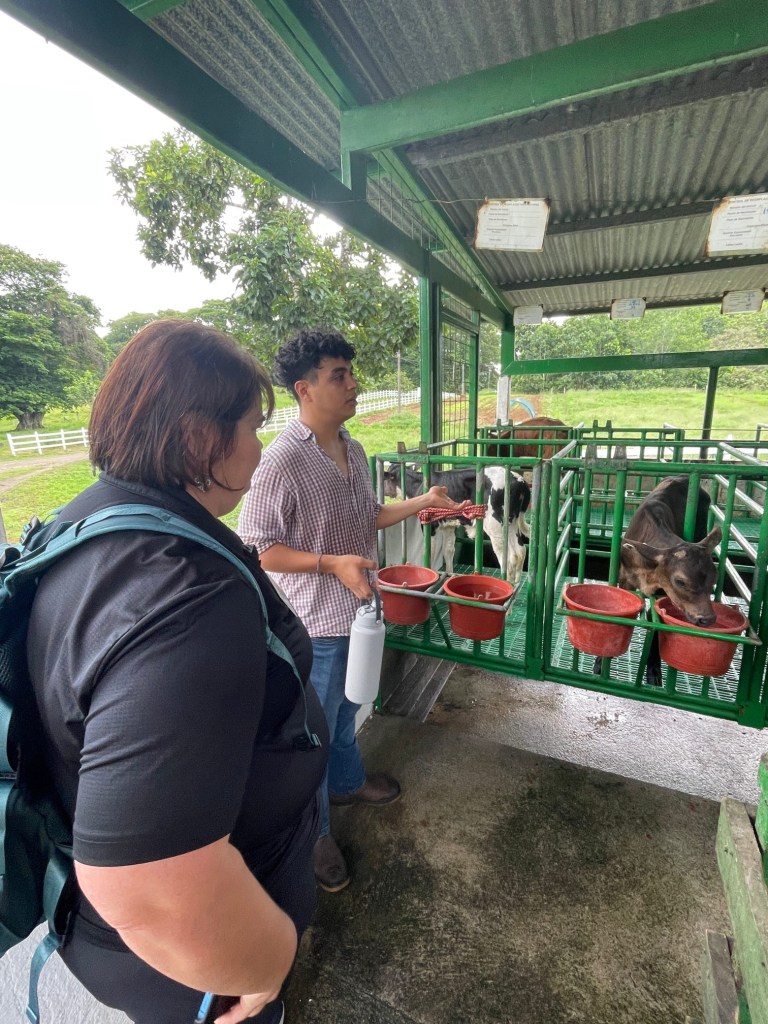
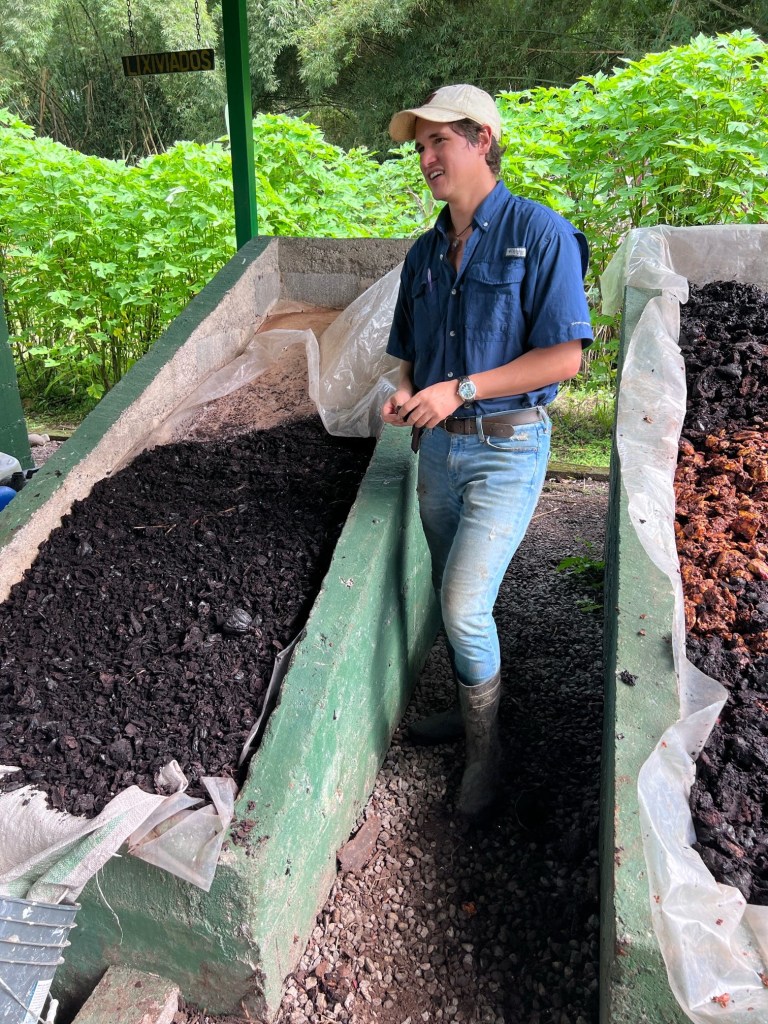
Feeling empowered by these vibrant student leaders, we finished our EARTH University experience by having a meal at the cafeteria. We then bid farewell to our gracious hosts knowing that we would always be welcomed back with open arms.
After a quick stop to pick up some items to bring home to our loved ones, we made it back to the hotel for our final dinner. We each had the opportunity to talk about one of our fellows and what we have learned from them. Tears were shed, many hugs were given and funny stories from throughout the year told. While we may sometimes disagree, the care we have for each other was on full display! We also exchanged the pennants that we had used as gifts throughout the trip with each other, a cherished memory we will carry with us and reminder of all we learned and experienced here.
We also took our time to express our appreciation for Abby, Dane and Dr. Gorter for all that they have done to make this trip the success that it was! Their tireless work before and during our time in Panama, Columbia and Costa Rica was an inspiration and something that we always carry with us. We also thank the California Ag Leadership Foundation board, alumni and partners for the precious, irreplaceable gift that we have been given.
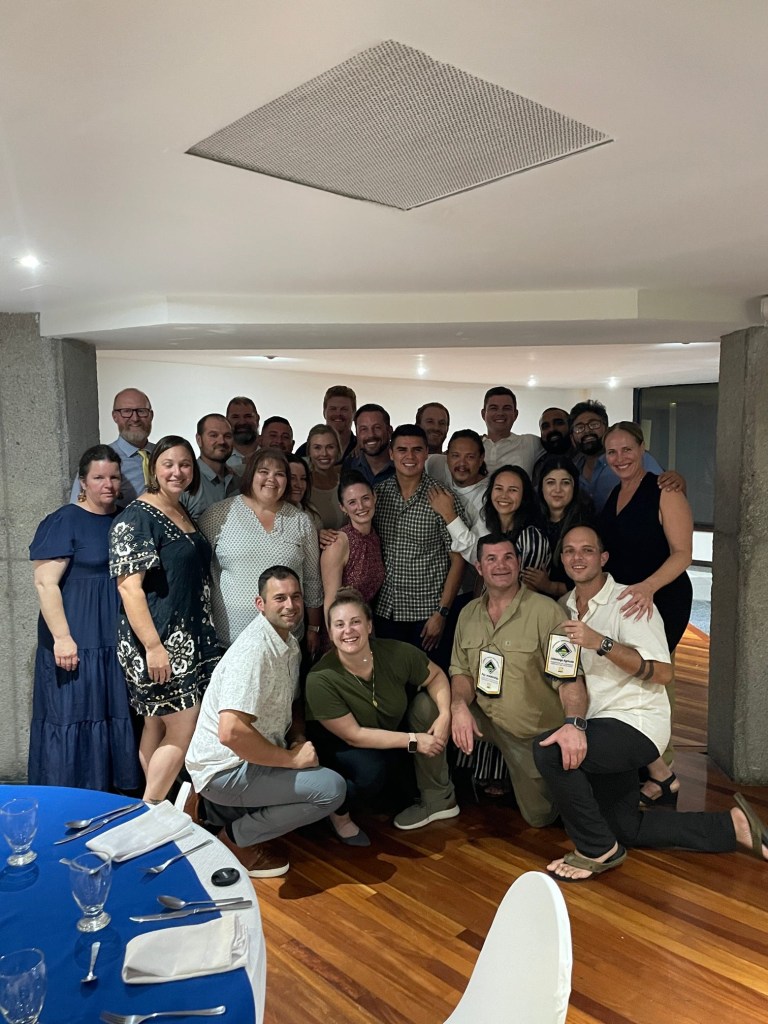
We finished the night with our last full group picture of our international trip. While we can’t wait to get home to our friends and families after what for nearly all of us was the longest time we have ever been away, I can’t help but be a little sad that it is over. In just a few short hours we will board the bus to the airport and head home, but that is a story for another fellow to tell!
 California Agricultural Leadership Program
Leave a comment