
Rise and shine class 52! At 5:15AM we said a sleepy goodbye to gracious Panama City and went on our way to the City of Eternal Spring: Medellín, Colombia.
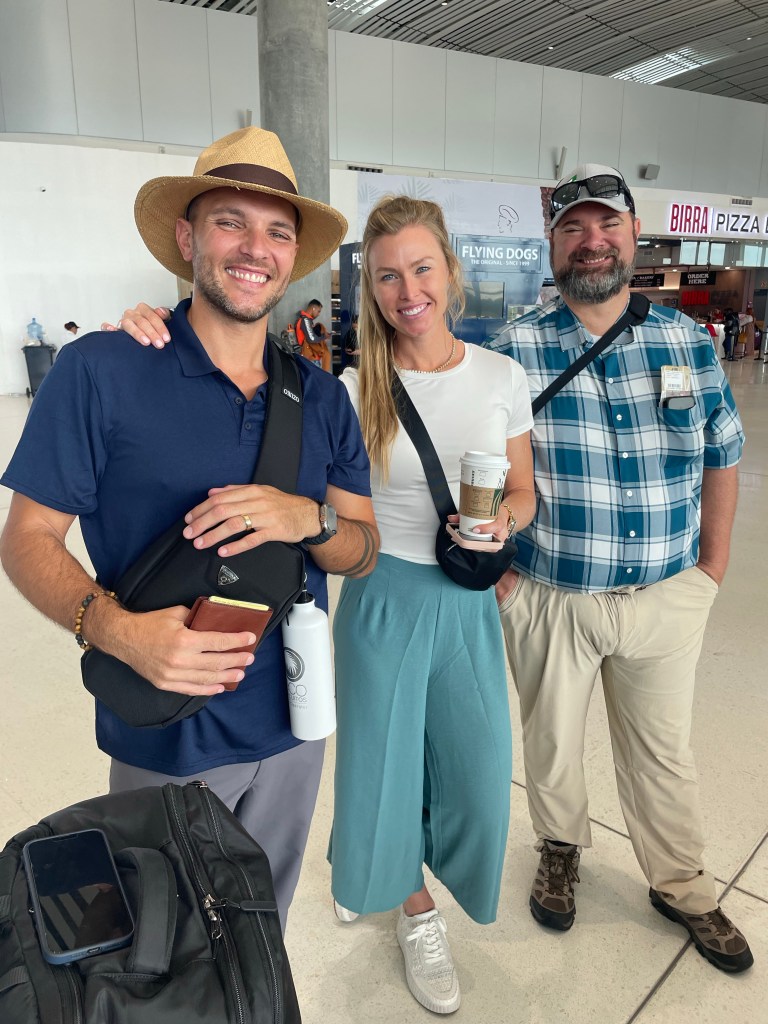
At the Medellín airport, we were greeted by our gregarious guides for the next 7 days. While in route to our first excursion, we heard about the municipalities of the city, Colombian coffee and agricultural products, and the upcoming local elections that seem to have posters and banners everywhere. We drove through the city, filled with propaganda for the upcoming election. We were educated on La Ley Seca, the Colombian law that prohibits sale of alcohol prior to and during the election period. Election Day is this Sunday.
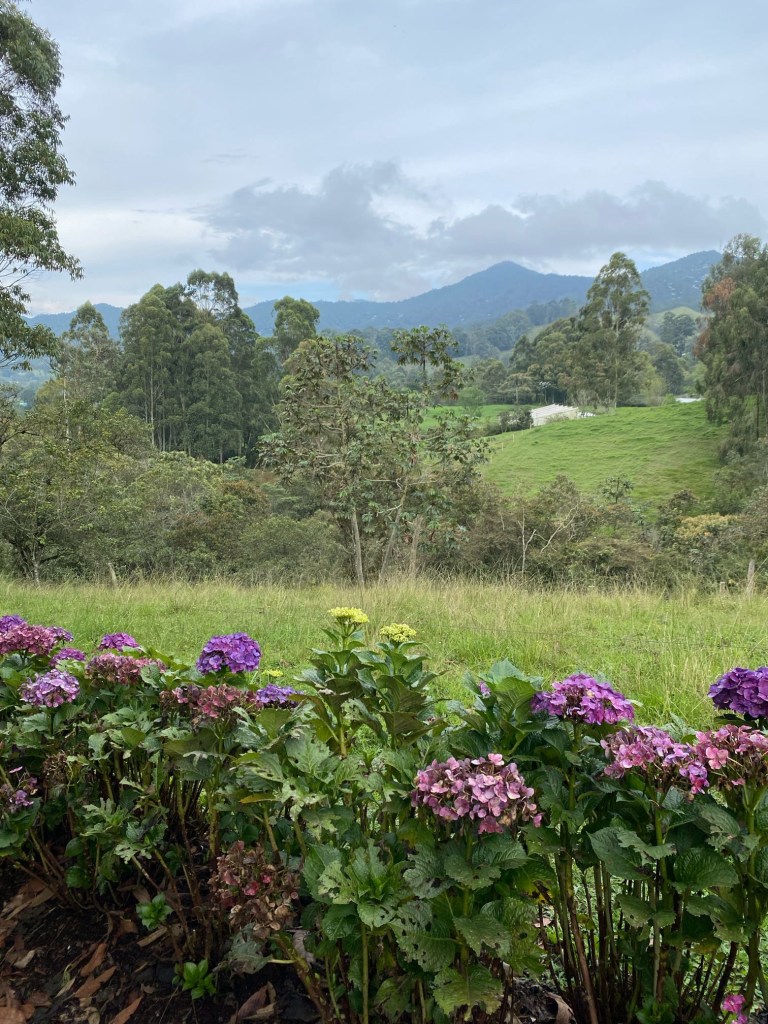
The city was wet and the roads were bumpy, but the mountainous landscape is full of greenery and yellow flowers on the canopies of massive trees; a vibrant and picturesque view with every turn. Excitement and awe at the beautiful surroundings in rural Antioquia (what we would call a state) was just the beginning.
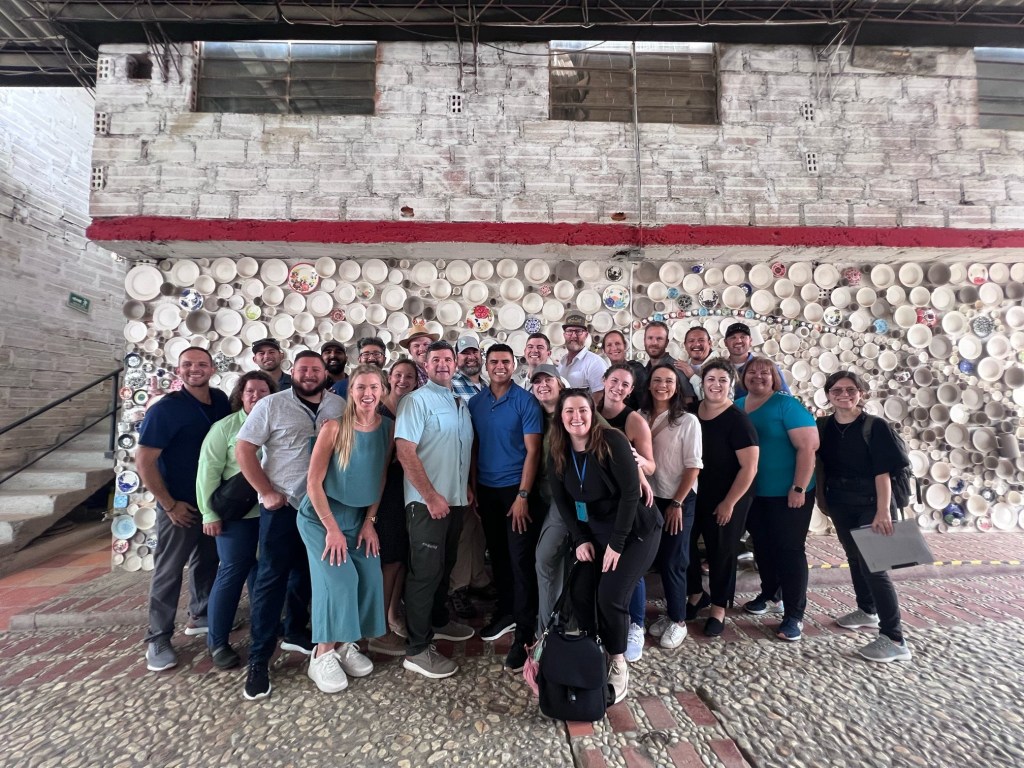
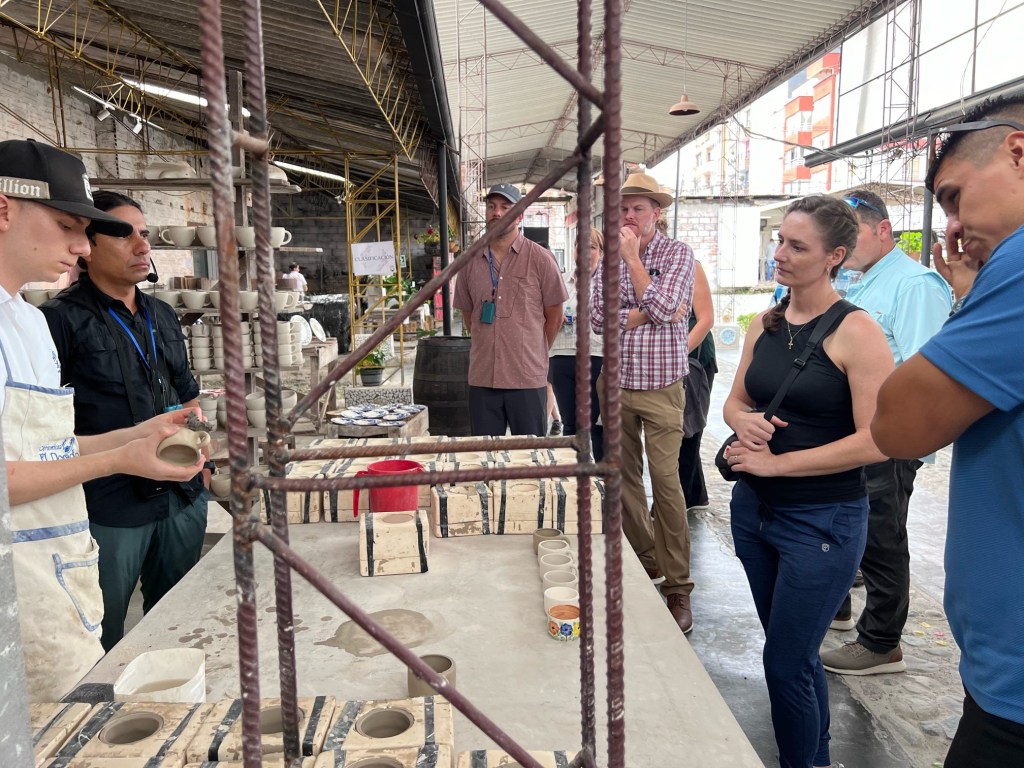
We drove through the different barrios, glimpsing into the daily lives of the local people as we cruised along, until we arrived in el Carmen de Viboral. We unloaded our buses at Ceramics El Dorado and we immediately were mesmerized by the beautiful collage of ceramics hanging in the first hallway as we entered. We were greeted by several guides who showed us the the inside and outs of ceramics. Not only did we learn the process, we also got to participate!
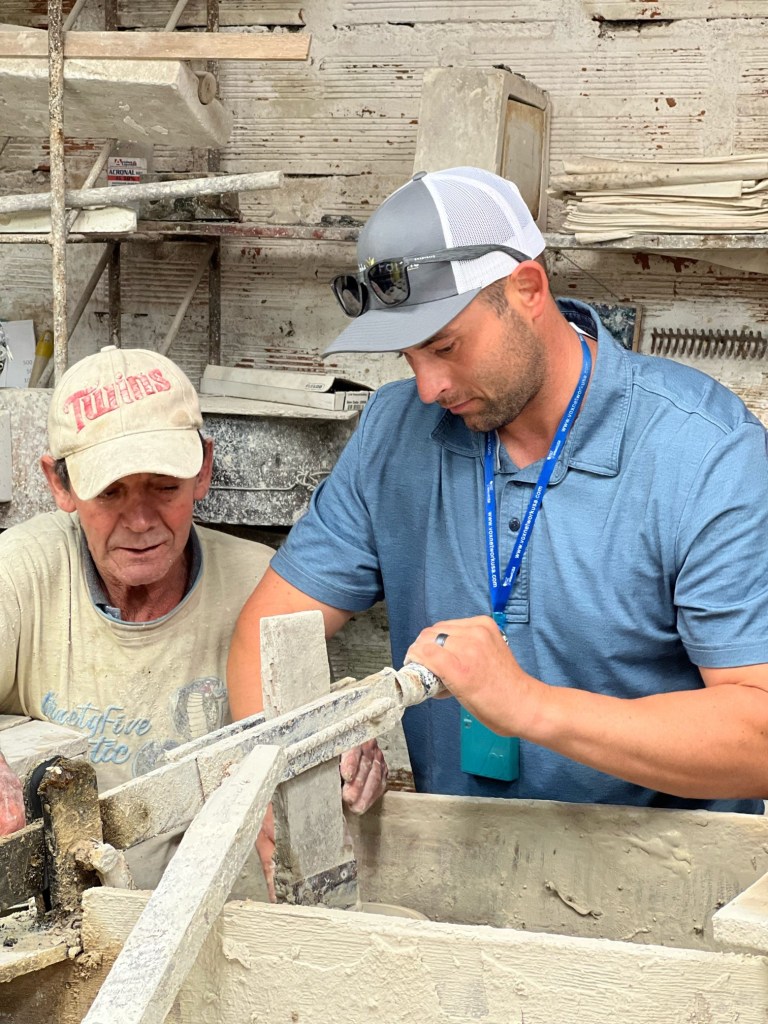
The guides taught us to remove air from clay by cutting and throwing the clay. We also made helped make plates from molds and saw a demonstration of how they use liquified clay to make round dishes. From beginning to end the dishes are made by hand, taking over a week to complete. This artisanal craftsmanship is passed down through generations keeping the craft of el Carmen de Viboral alive. The ceramics made at that site are given Origin status, much like Parmesan cheese in Parma and Champagne from the eponymous region in France. The company is also a tremendous model for us of the value an intergenerational family business can bring to an entire community- providing employment, economic opportunity, and a sense of identity and pride. The President of Colombia even gives their products as gifts to visiting dignitaries- amazing!!

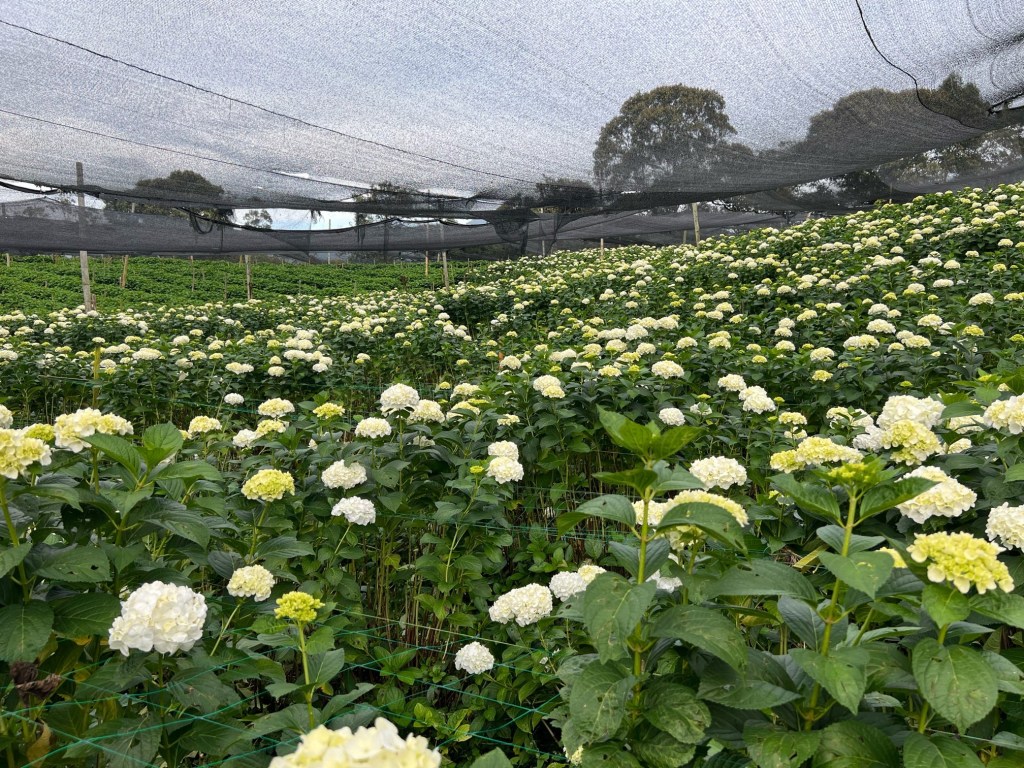
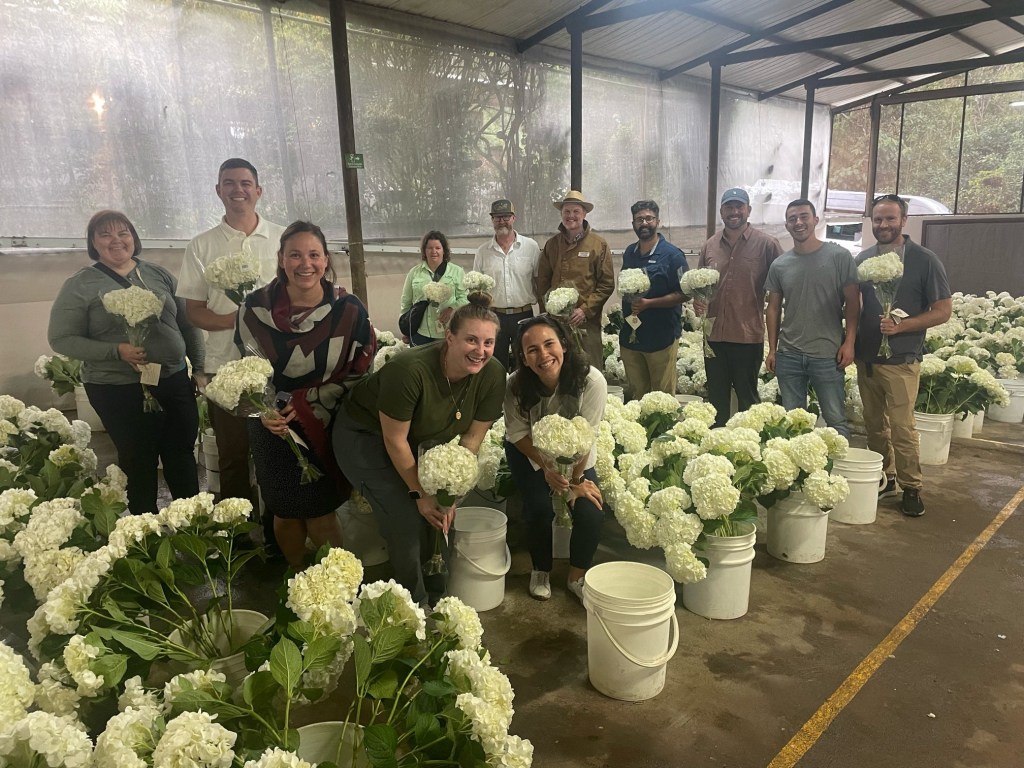
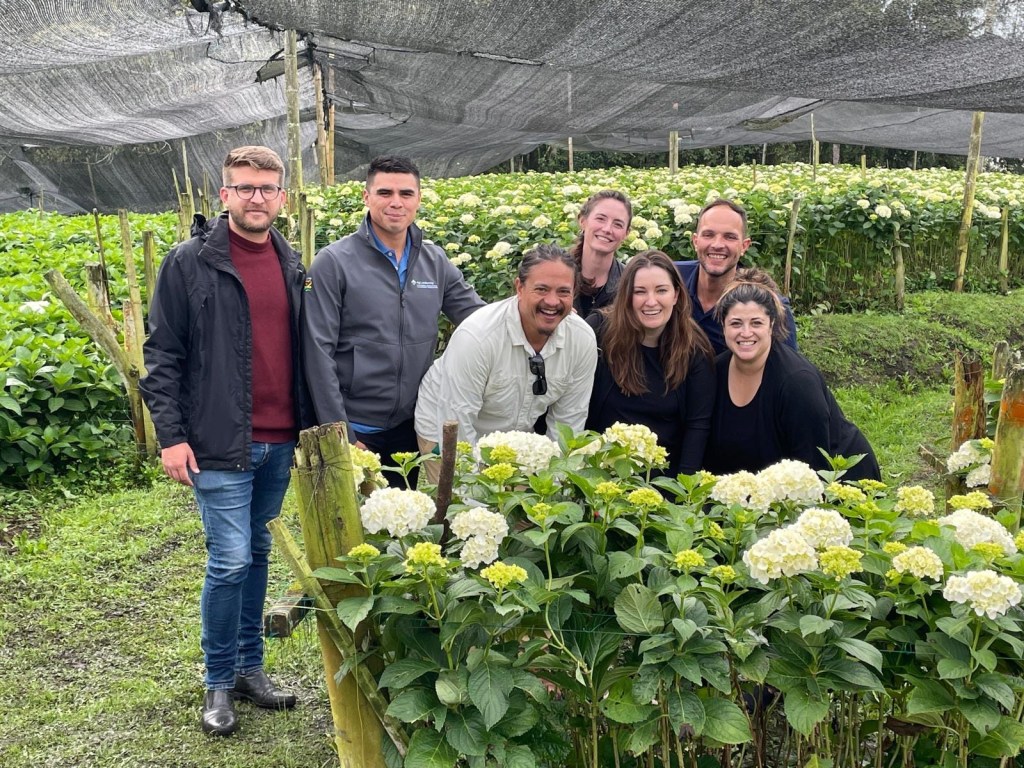
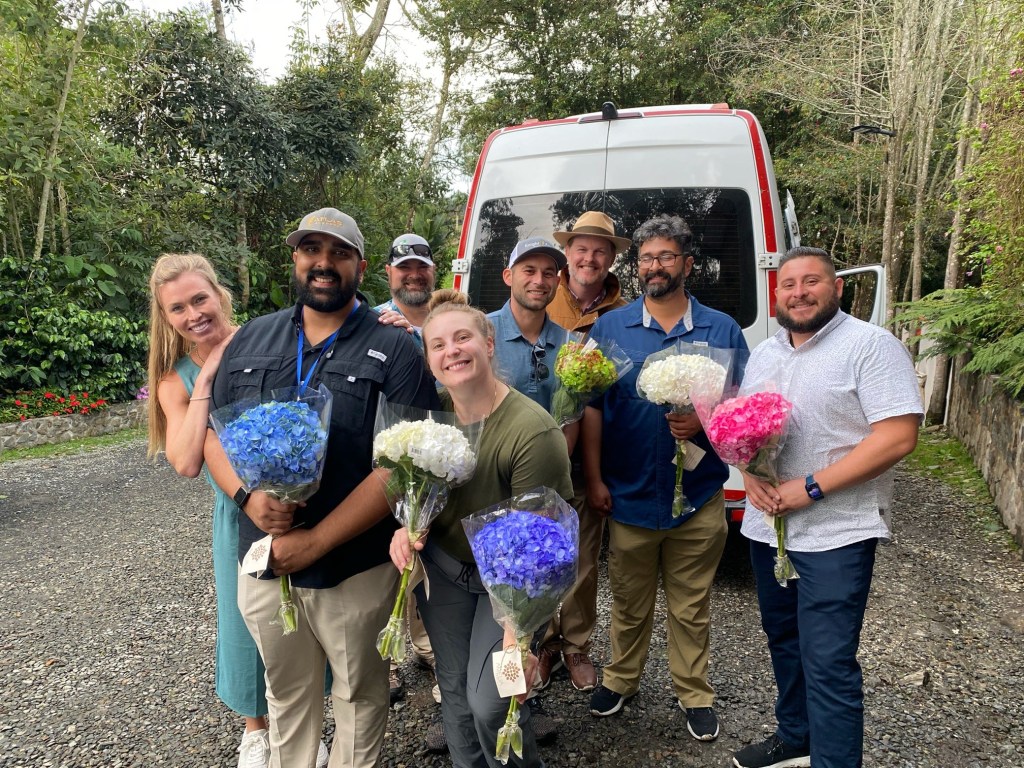
We then traveled to San Isidro farm, home of Alma del Bosque hydrangeas. The white macrophylla hydrangea has been growing on the San Isidro farm for the last 27 years. The family owned business predominantly grows for sale of cut hydrangeas but also grows plants to sell to their neighbors. Alma del Bosque was the first in Colombia to plant and export cut hydrangeas and they continue to set the bar for the business. Their organic farm employs 50 (up to 90 in peak season) local community members to manage the 15 hectare site. It’s no small task, either! After being cut back, hydrangeas have a 26 week growth cycle before they are ready to cut again. Depending on flower size demand, their team has 5 weeks to cut after the 26 week regrowth period. All blooms have to be cut before 11 am to minimize potential dehydration, and they they pick around 10,000 hydrangeas in a typical day. INCREDIBLE. Once the flowers are cut, they are brought in and placed in solution-filled buckets to extend their life before being exported to countries like China, the US, and European Union. Similar to Ceramica El Dorado, Alma del Bosque cares for their team. They’ve elected to not mechanize to keep jobs for the people they employ. They also have a wish tree that their employees can request what they need like transportation, housing, furniture, or tuition for their children’s schooling. The company believes happy employees create a more productive and fulfilling work dynamic while simultaneously supporting their local community.
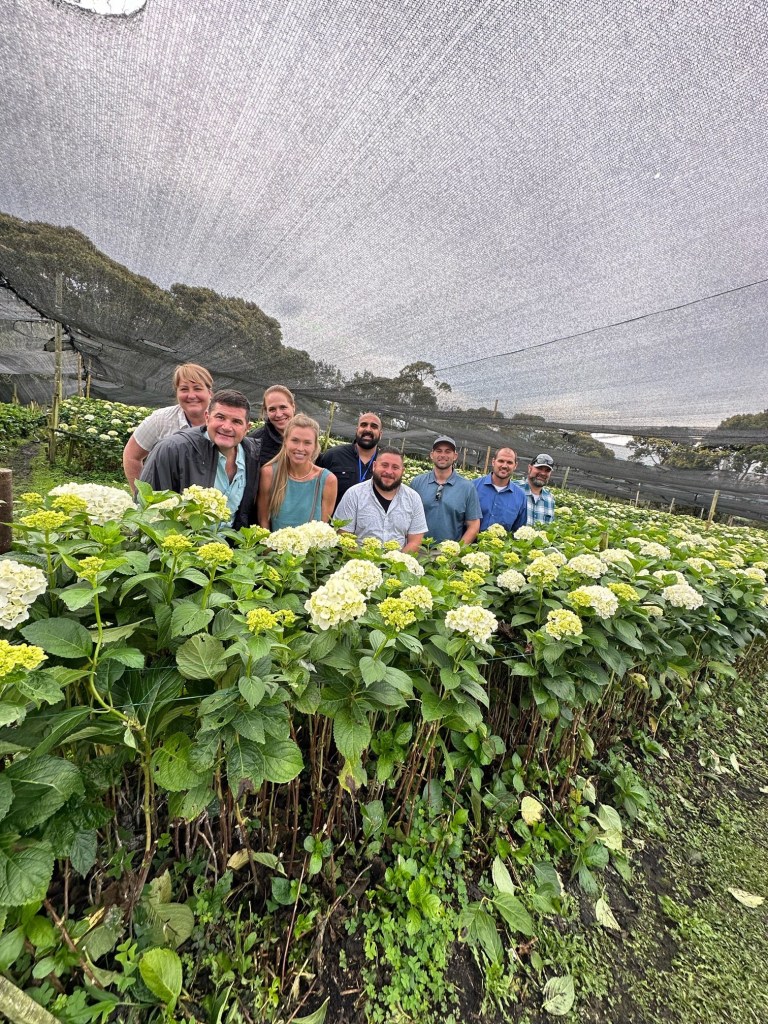
We had an amazing first day in Medellín. We found stories of leadership at both el Carmen del Viboral and Alma del Bosque. These communities and businesses have built strong relationships and care deeply for their communities. On our way back to Medellín our amazing guide shared a short history of Medellín that really cemented what we learned today.
When the Spanish came to Colombia, they naturally began settling near the ocean before moving into the interior of the country. Colombia, being separated by 3 ranges of the Andes mountains has significant geographic separation, and thus, massive differences in how each area developed. This geographical complexity made it hard for the Spanish to easily access Medellín, and this meant very few slaves were brought to the area to work. The Spanish settlers had to do the work themselves and that very fact has informed how this area’s identity took shape.
Our first day in Medellín gave a glimpse into the generations of people who have made Medellín what it is today. These generations have instilled work ethic, ingenuity and an appreciation for honest labor that we will not soon forget. From handmade craftsmanship to manual farm work, we experienced the richness of the work culture and beauty this city has to offer. Though we have many more days ahead of learning and growth, this was most certainly a beautiful experience to bring back to our own lives and work. Thank you for a wonderful day, Antioquia and Medellín!
Amanda Gorter, Jeff Borum, Jacylyn Stokes


 California Agricultural Leadership Program
Leave a reply to Brian P. Murphy-O’Neill Cancel reply